Offbeat Travel Destinations: A Parent-Child Guide to Going Beyond the Guidebook

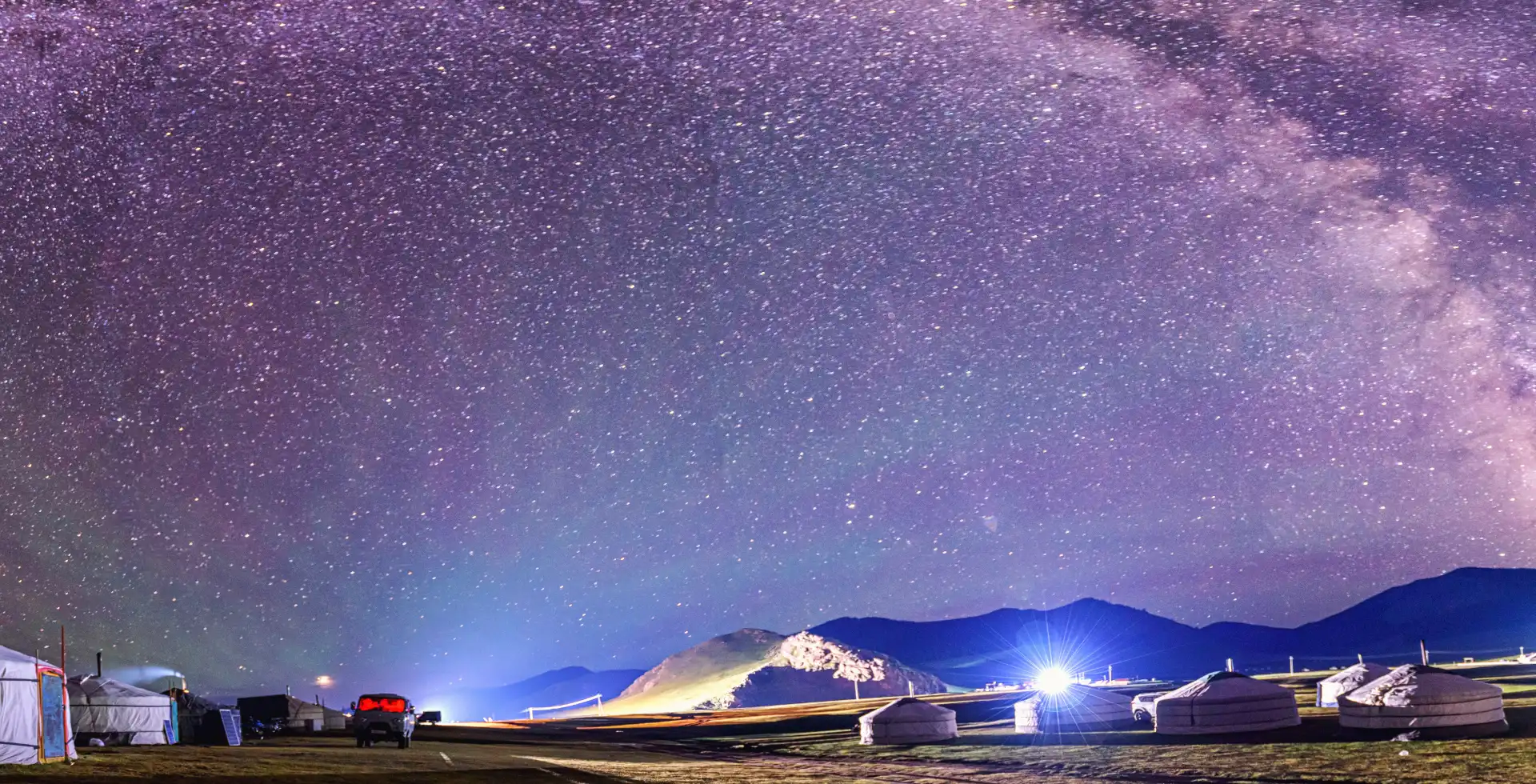
Offbeat travel means choosing a hidden trail over a crowded landmark, and for a parent and child, it is often the trip they talk about years later. Apricous designs bespoke offbeat travel destinations for parents and children who want more than a checklist holiday. Founder Sadeev spent 15-plus years in brand, content and travel strategy, including formative time with Nomadic Road, before shaping Apricous around real connection over sightseeing. This piece looks at what offbeat travel actually means, why it works especially well for a parent and child, and how to plan one for 2026 that genuinely fits your family.
What Does Offbeat Travel Actually Mean?
Offbeat travel means visiting places that sit outside the usual tourist circuit, chosen for depth rather than convenience. The meaning of offbeat travel is simpler than it sounds: villages instead of city centers, naturalist-led encounters instead of chain resort itineraries, and experiences shaped by local life rather than a fixed sightseeing checklist.
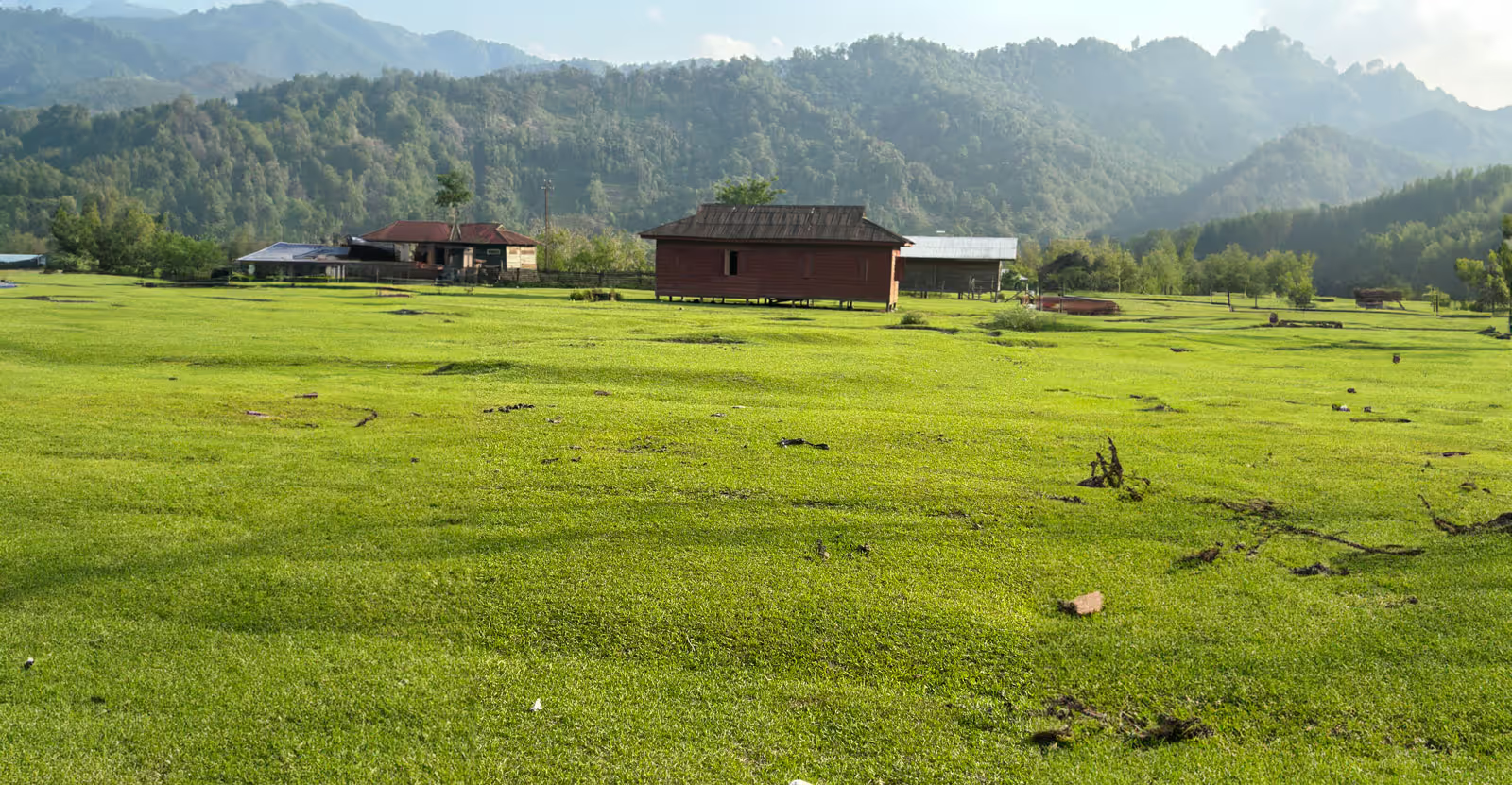
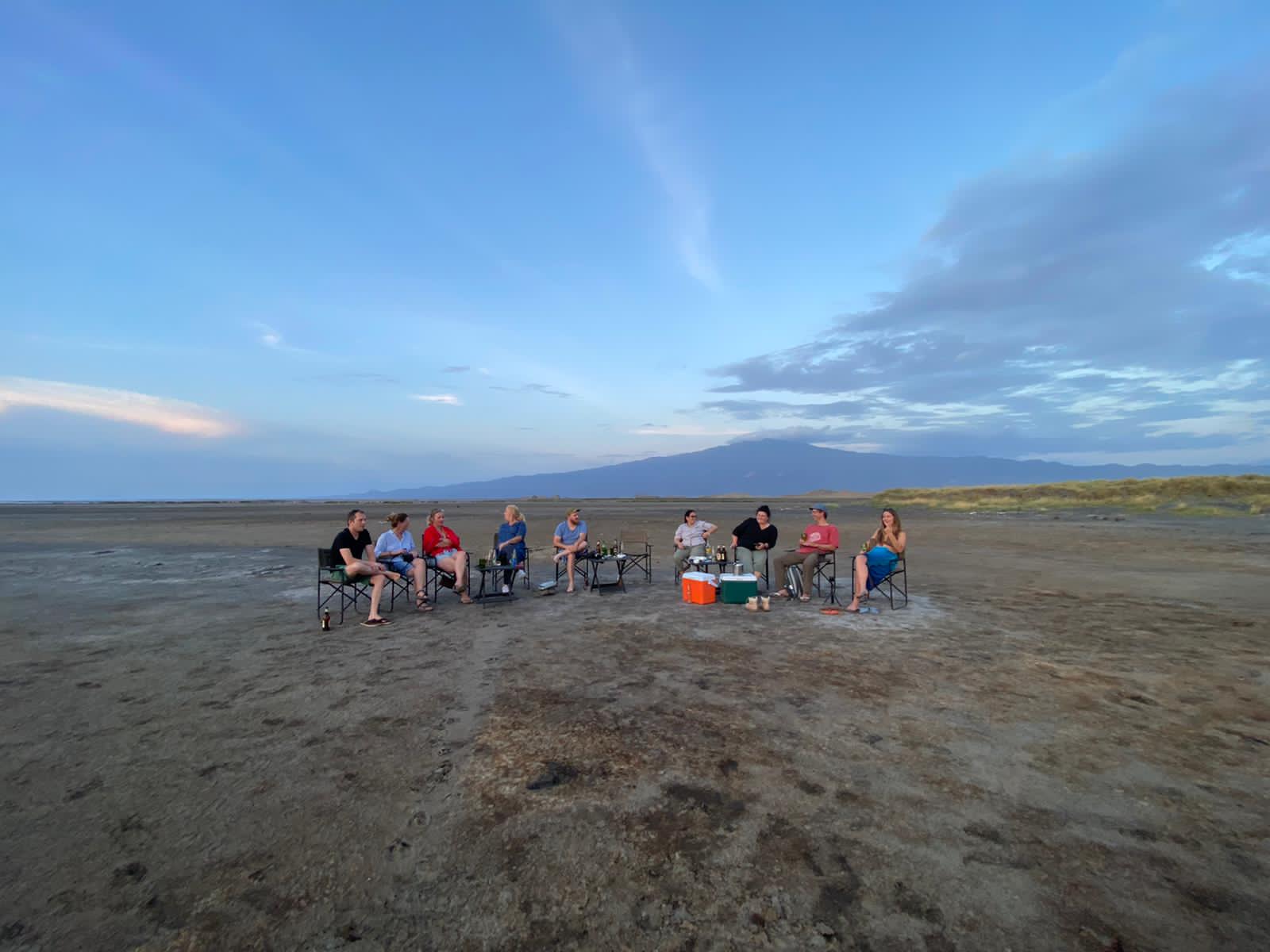
So what is an offbeat destination in practical terms? It is walking a Kadazan Dusun village in the foothills of Mount Kinabalu instead of a scripted resort tour. It is spending an evening with the Hadzabe, one of Africa's last hunter-gatherer communities, instead of a standard safari lodge dinner. Off-the-beaten-path travel is less about geography and more about intention.

Why Offbeat Destinations Bring People Closer
Popular attractions are built for efficiency, and that efficiency is exactly what gets in the way of connection. A queue, a photo, a move to the next stop leaves little room for a parent and child actually to notice each other.
1- Shared Challenges Build Real Trust
Shared challenges build real trust. When a parent and child navigate a jungle trail together, learn to read animal tracks, or build an insulated shelter in the snow, something shifts. They stop being tourist and companion and start being a team. This is the quiet mechanism behind why offbeat adventures tend to produce stronger memories than a resort pool ever could.
2- Fewer Crowds, More Conversation
Fewer crowds also mean more conversation. Without a schedule dictated by ticket timings and tour buses, there is more room to talk, notice things together, and slow down. This pace is one of the most underrated benefits of an offbeat holiday.
How Apricous Designs Offbeat Trips for Parents and Children?
Apricous was built around a simple idea: time with your child is limited, so it should not be spent standing in the same lines as everyone else. Every itinerary draws on a destination's offbeat, less commercial corners rather than its most photographed ones, and every experience is paced for a child's age and a parent's comfort. A few current examples:
Every trip we design draws on offbeat, less commercial corners of a destination rather than its most photographed ones. A few examples from our current destinations:
1- Borneo, for jungle trails, orangutan encounters at Sepilok, and time with the Kadazan Dusun community near Mount Kinabalu. Suited from age 5, best visited March to October, minimum trip length 5 to 8 days.
2- Tanzania, for the Hadzabe hunter-gatherers and the Serengeti's open plains, away from a scripted safari circuit. Suited from age 5, best June to October, minimum 10 days.
3- Lapland, for husky sledging, glass igloo stays under the northern lights, and Arctic snow survival skills with a naturalist. Suited for ages 4, available year-round.
If none of these fit, Apricous also offers a Customise option to build an offbeat itinerary from scratch around your child's age, interests and your travel window.

How to Choose the Right Offbeat Destination for Your Group
Start with your child's age and energy, then match the season and logistics to it. A five-year-old's Lapland trip and a fourteen-year-old's look very different, so be honest about what your family actually wants before researching offbeat places, not what looks best in photos. The more offbeat the destination, the more homework it needs: flight connections, ground transport, and the right season all affect how smooth the trip feels once you arrive.
What Makes an Offbeat Travel Itinerary Actually Work?
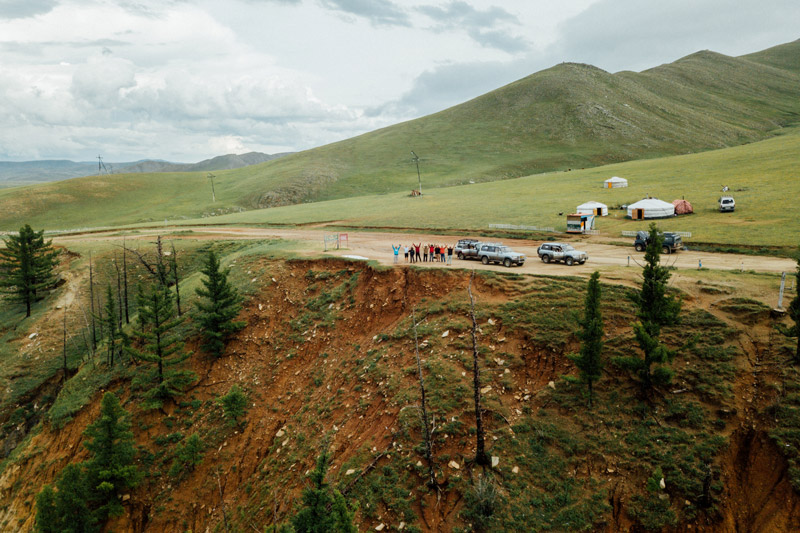
A good offbeat itinerary balances structure with room to breathe. A few principles that consistently hold up:
- Research the climate, customs and physical demands before you commit.
- Balance adventure with rest, since not every child wants to hike at the same pace all day.
- Choose distinctive stays. Glass igloos, eco lodges and community homestays add more than a standard hotel room ever will.
- Leave room for impromptu detours. Some of the best stories come from an unplanned stop, not the fixed schedule.
- Connect with local guides early. They point you toward experiences no guidebook lists.
Final Thoughts
Offbeat travel is not a trend; it is simply a different way of spending time with your child. The destinations that ask a little more of you tend to give back a lot more in return. If you are ready to move past the usual family itinerary, design an offbeat experience with Apricous and see where it takes you both.
We Don’t Just Plan Vacations, We Create Lifelong Memories and Unforgettable Adventures with your loved one.