
A Guide to Planning Family Adventure Travel Beyond Traditional Sightseeing
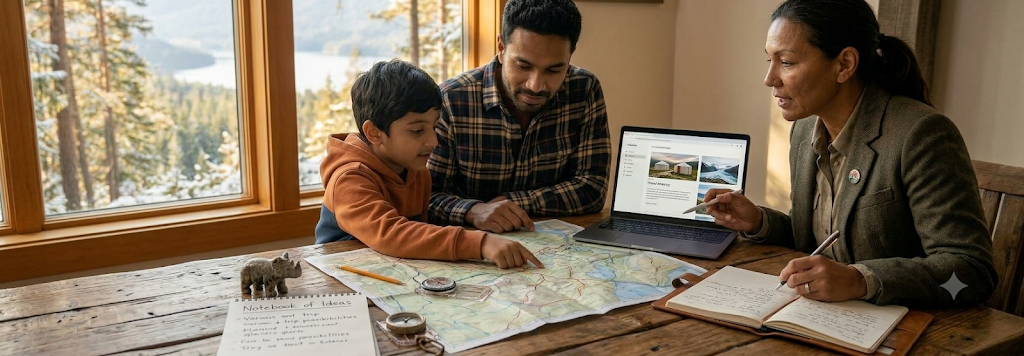

A Guide to Planning Family Adventure Travel Beyond Traditional Sightseeing
Family adventure travel is less about thread counts and more about time, access and a plan built around your child. Instead of queues and fixed routes, you get unhurried days, expert guidance, and experiences that fit your family. This guide covers how to plan it and what to ask before you book.
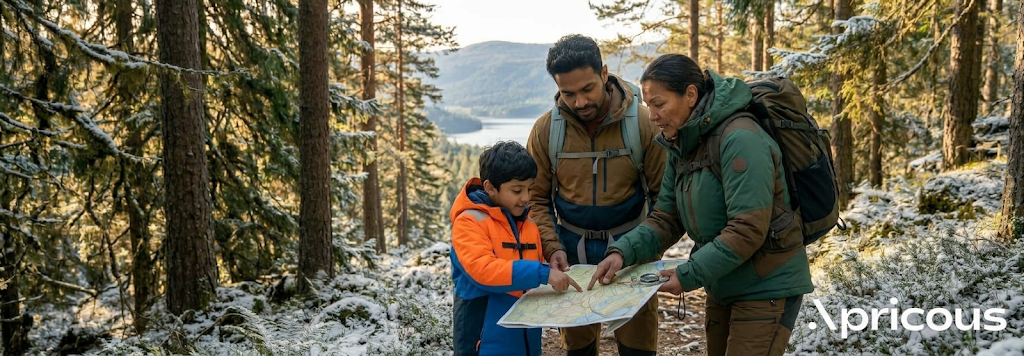
What is family adventure travel?
Family adventure travel is a custom-designed trip where active, hands-on experiences are planned around your family, with more time, flexibility and expert support than a standard package. The difference lies in the planning and the pace, not only in the room you sleep in.
For many families, the real premium is attention. One planner who knows your child, an itinerary that leaves room to breathe, and activities matched to age and ability. Apricous builds its journeys around the parent-child relationship rather than a list of attractions, and says plainly that it is not for rushed, checklist travel. That honesty is a useful filter when you compare operators.
How is it different from traditional sightseeing?
Traditional sightseeing moves you between landmarks on a schedule. Adventure-led travel gives you fewer experiences with more depth: a trek, a paddle, a night outdoors or a day with a local host. You spend more time in each place and talk more along the way.
Feature
Standard sightseeing package
Bespoke family adventure
Itinerary
Fixed, shared with other groups
Designed around your child and dates
Pace
Many stops, short stays
Fewer activities, more time at each
Child's role
Watches and follows
Takes part and helps decide
Flexibility
Limited once booked
Planned with room to adjust
Best for
First-time, short city trips
Families who value depth over a checklist
Apricous describes its approach as stepping slightly outside the comfort zone together, not testing limits. The Travelogue piece on why magic happens outside your comfort zone explains the thinking.
What should you prioritise when planning family adventure travel?
Prioritise four things in this order: your child's age and interests, the pace of each day, the quality of local guidance and the support you have if plans change. Everything else, including accommodation style, follows from these.
- Match activities to your child's age, stamina and curiosity.
- Plan one main experience per day, with time left open.
- Choose guides and hosts who work well with children.
- Confirm medical, insurance and visa needs early.
- Decide your comfort baseline for stays before you shop.
- Build rest days between your most demanding days.
For a wider planning framework, read the Travelogue guide to planning the perfect parent-child getaway.
Which destinations suit family adventure holidays?
Choose the place that gives you the most time and support for the experience you want. Remote and seasonal destinations reward careful planning, because access, guides and weather decide how smoothly the trip runs. Confirm availability, best months and age suitability with the planning team before you commit.
- Lapland, for winter depth: Families who want Arctic landscapes and cold-weather activities can start with Lapland.
- Norway, for outdoor time: Norway suits trekking families. Apricous has run overnight trekking in Dovrefjell.
- Borneo, for wildlife: Borneo suits animal-loving children, and its remoteness makes good local guidance important.
- Iceland and polar voyages, for dramatic landscapes: See Iceland and polar cruises for weather-dependent adventures that need flexible planning.
See the full list on the Apricous destinations page. For official travel information, check Norway family travel experiences or Iceland family travel experiences.
How do you balance adventure with comfort and downtime?
Design the comfort first, then add adventure around it. Decide where your family needs to rest well, then place the demanding activities between those stops. Children cope with a challenging day when they know a comfortable evening follows.
Simple rules help:
- Schedule recovery time after long travel days.
- Let each family member veto one activity.
- Pack together so everyone knows what to expect.
- Keep one slow morning in every itinerary.
The Travelogue's planning-together tip shows how involving your child early builds excitement and cooperation.
Why plan with a bespoke designer instead of booking a package?
A bespoke designer builds the whole trip around your family and stays involved from first idea to return. This matters most for remote or demanding destinations, where logistics, local knowledge and contingency planning decide how the trip feels.
Apricous designs fully customised journeys across five experience formats, from Adventure Bonds to Survival Bonds, and shapes each one around age, interests and travel window. It also lists recognition from the Japan National Tourism Organization and features in Condé Nast Traveller India. Explore the experiences or read about the customised parent-child holiday. Pricing is quotation-based, so it reflects destination, duration and level of challenge.
What should you ask before booking?
Ask how the operator adapts activities to your child, who guides each experience and what support exists on the ground. Also ask how delays and cancellations are handled, and what insurance and medical preparation they recommend. Good operators answer clearly and in writing.
Useful questions:
- How do you adapt activities to my child's age and ability?
- What are the daily hours, distances and terrain?
- Who is available if plans change on the ground?
- Can I speak with a family who took a similar trip?
The client stories show named families with specific trip details, and the FAQ covers practical questions.
FAQs about family adventure travel
What does family adventure travel mean?
It usually means personalised planning, time, access and expert support. Accommodation style is only one part and varies by itinerary.
Is family adventure travel suitable for young children?
It can be. Suitability depends on the activity, destination and your child’s readiness. Share your child’s age with the planner so activities fit.
How far ahead should I plan?
Plan several months ahead, especially for remote destinations or peak seasons. Early planning also leaves time to involve your child.
Is a bespoke trip safe for children?
Safety depends on planning, guides, season and preparation. Ask any operator about guides, insurance and contingency plans before booking.
Can Apricous customise a trip for my family?
Yes. Apricous designs custom parent-child itineraries around age, interests and travel window.
Plan the trip that goes beyond the checklist
The best family adventure travel gives your child room to take part, ask questions and remember the moment. Start with their interests, protect your comfort baseline and choose a designer who plans around you.
Ready to begin? Enquire about a bespoke trip or contact the Apricous team to share your dates and your child's interests.
We Don’t Just Plan Vacations, We Create Lifelong Memories and Unforgettable Adventures with your loved one.