
Bonding Tip 2: Shop & Pack together before a trip


Preparing for a trip with your child can feel stressful, especially when it comes to shopping and packing. But with a small shift in perspective, this stage of travel planning can become a meaningful way to connect with your child before the journey even begins.
Shopping and packing together give parents a chance to slow down, listen, and involve children in the experience. It turns preparation into participation, and often reveals what your child is most excited about.
1. Pay Attention to What Your Child Is Drawn To
When shopping for a trip, children often express their interests indirectly. The items they gravitate toward can offer valuable clues about what they’re hoping to experience.
For example:
- Interest in sturdy shoes or backpacks may signal excitement about hiking or outdoor exploration
- Choosing swimwear or goggles could mean they’re imagining time near water
- Picking notebooks or sketch pads may suggest curiosity and creativity

Why This Matters:
Noticing these preferences helps parents understand what excites their child, and, where possible, adapt activities to match those interests. When children feel heard, they’re more engaged throughout the journey.
2. Turn Shopping into a Shared Experience
Rather than treating shopping as a task to finish quickly, approach it as a shared activity. Invite your child to help choose practical items, snacks, or clothing for the trip.
This naturally opens conversations about:
- What they’re looking forward to
- What they feel unsure about
- What kind of experiences do they imagine
Simple ideas to make it engaging:
- Create a checklist together before going out
- Let your child choose one personal item for the trip
- Talk about why certain items are needed and how they’ll be used
This approach builds anticipation while giving children a sense of involvement and responsibility.

3. Pack Together and Explain the “Why.”
Packing is a great opportunity to help children understand planning and preparedness. When done together, it becomes both educational and reassuring.
Explain why specific items matter:
- Why sturdy shoes are important for walking or hiking
- Why are layers useful for changing weather
- Why do some items need to stay easily accessible
Practical packing tips for parents:
- Use separate packing sections or color-coded cubes
- Encourage your child to pack a small bag independently
- Turn packing into a relaxed activity with music or snacks
This not only keeps things organised but also helps children feel capable and prepared.
4. Create Space for Stories and Reflection
The time spent shopping and packing often leads to conversations that don’t happen elsewhere. Use these moments to talk about:
- Past trips you’ve enjoyed together
- What travel means to you as a family
- What your child hopes to discover this time
Some families find it helpful to:
- Start a simple travel journal
- Let children draw or write about the upcoming trip
- Collect small notes or memories along the way
These small rituals help turn preparation into part of the journey itself.
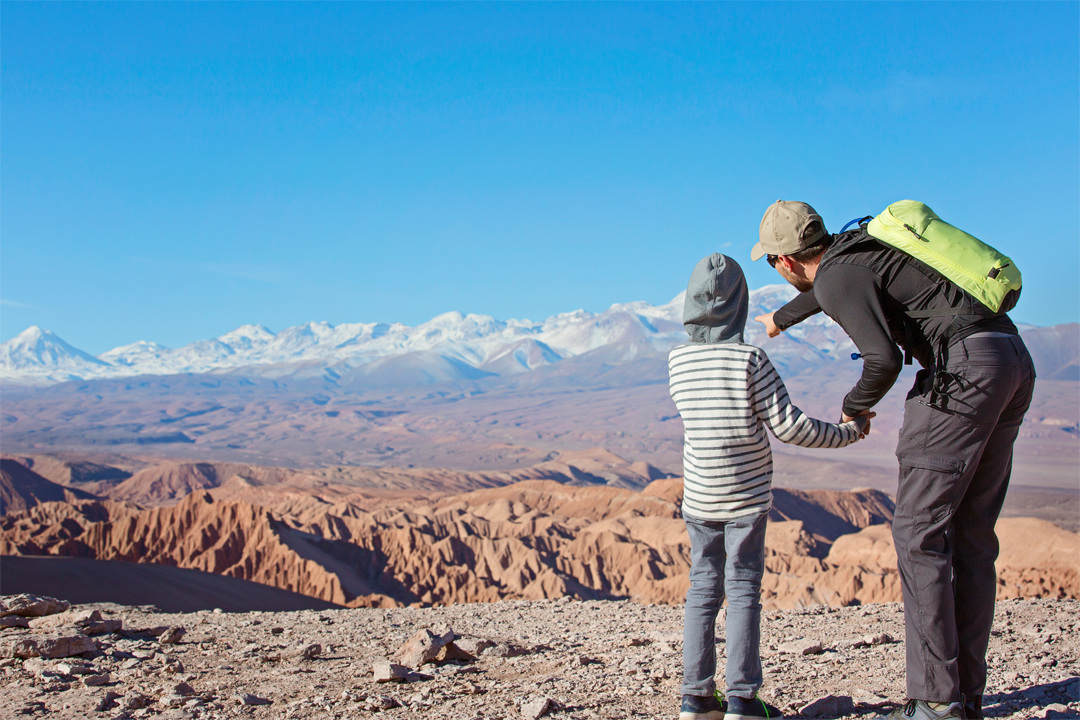
5. Remember: Imperfection Becomes Part of the Story
Sometimes, something gets forgotten, and you end up searching for it in a new place. These moments often become the stories children remember most.
Travel doesn’t need to be perfectly planned to be meaningful. Shared problem-solving, flexibility, and laughter are often what strengthen bonds the most.
Final Thoughts:
Shopping and packing don’t have to be stressful or rushed. When done together, they become an extension of the travel experience, one that builds connection, trust, and shared excitement.
By involving your child early, listening to their cues, and giving them small responsibilities, you’re not just preparing for a trip; you’re creating memories before the journey even begins.
We Don’t Just Plan Vacations, We Create Lifelong Memories and Unforgettable Adventures with your loved one.