
Experiential Family Holidays: How to Balance Hands-On Adventures with Time to Unwind
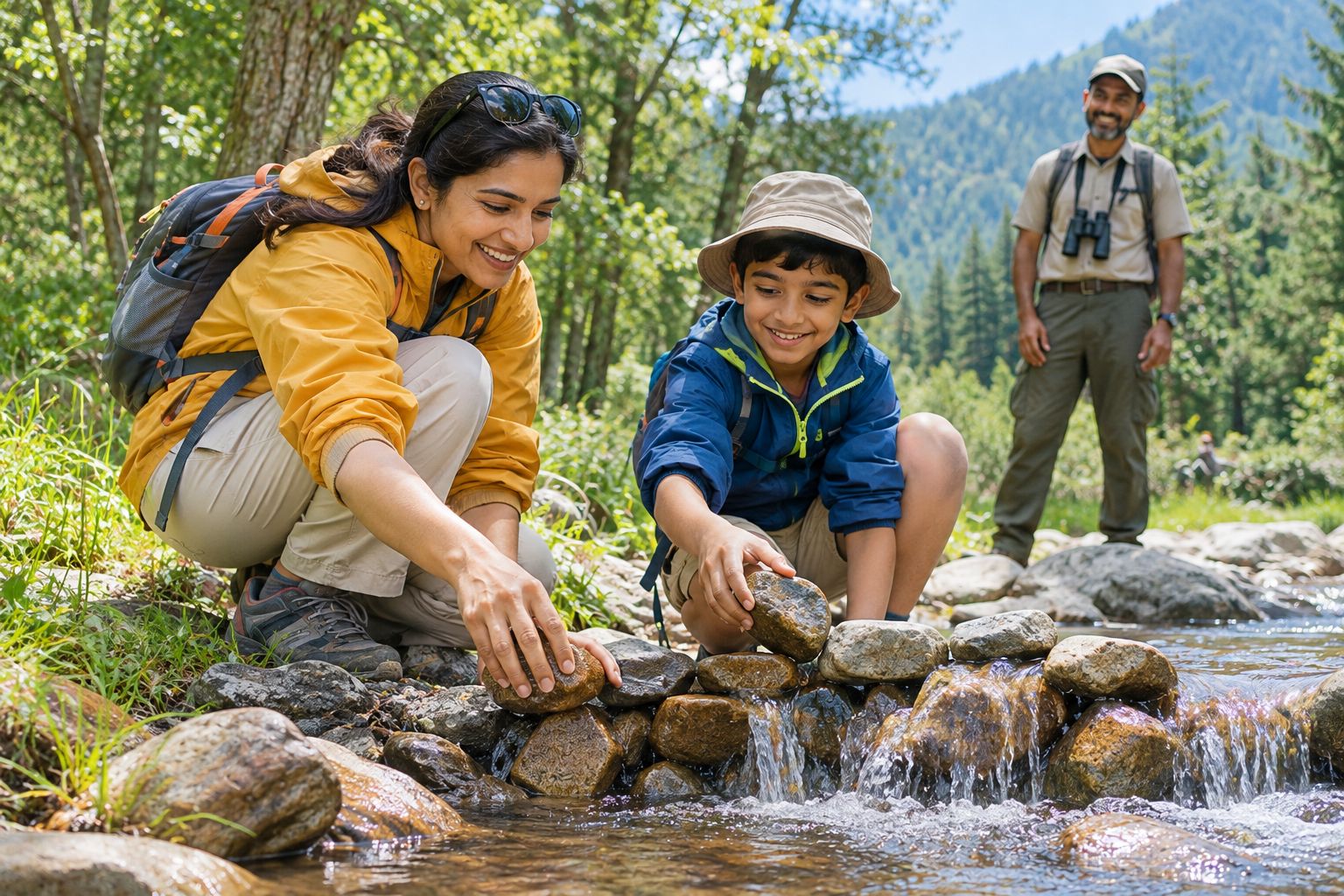

Experiential Family Holidays: How to Balance Hands-On Adventures with Time to Unwind
Most family holidays end with a camera roll of landmarks and a tired group of travellers. Experiential family holidays flip that pattern by putting everyone inside the destination, not in front of it. This guide shows how to mix hands-on adventure with real downtime, so the trip leaves energy as well as memories.
What are experiential family holidays?
Experiential family holidays are trips built around doing, not just seeing. Instead of queuing at attractions, families cook, paddle, track wildlife or learn a craft from someone who lives there. Everyone has a role, and each day has a purpose beyond a photo stop. The best immersive family travel experiences also leave space between activities, because many good moments happen in the gaps. Indian families seem ready for this shift. GHA DISCOVERY’s Q1 2026 research found that 49% of its Indian members rank time with family and friends as a travel priority, against 38% globally.
Why does participation make family holidays more engaging?
Participation turns children from passengers into players. When a child holds the map, paddles the canoe, or helps cook dinner, the trip belongs to them too. Attention tends to stay higher, and parents stop acting as full-time tour guides. Give each person a job that suits their age, such as navigator, camp chef or photographer. Hands-on family activities on holiday work best when the challenge fits the child, not when it impresses the adults.
How do hands-on activities create shared learning?
Hands-on activities teach through doing, and they teach everyone at once. A parent and child learning to read a trail or a river are beginners together, which softens the usual roles. Nobody lectures. Questions come up naturally, and answers come from guides, locals and a little trial and error. Apricous’s Thematic Bonds follow the same idea. They shape a trip around a child’s passion, from dinosaurs to Percy Jackson, so curiosity leads and the facts follow.
What role does outdoor exploration play in family experiences?
Outdoor exploration gives families space, fresh air and small shared challenges. A forest walk, a coastal paddle or a night under open sky removes screens and schedules without any rules. Weather and terrain set the pace, so nobody argues about what comes next. Meaningful family travel experiences often start here: a muddy trail, a surprise sighting, a laugh when plans change. Apricous’s Borneo and Japan pages show how different outdoor-led trips can look.
How can local experiences make a destination more memorable?
People remember people. A meal cooked with a host, a craft learned from a local or a story told by an elder usually lasts longer than a monument. Local experiences also give children a real sense of place, beyond the guidebook version. Apricous’s Incredible Grandmas experience is built on this idea. Families stay in a verified homestay with an English-speaking grandmother host, share her cooking secrets and hear the history of the land. You can see all formats on the Apricous experiences page.
Why should families avoid overcrowding their holiday itinerary?
More activities rarely mean more memories. Booking.com’s Travel Happiness Index, released in August 2026, found that 29% of Indian travellers say trips can leave them tired or drained. Another 24% feel pressure to make the most of their time away. Children feel that pressure too. A simple rule helps: plan one anchor activity per day, with a flexible window around it. Pacing is a design choice, and it is easier to set before the trip than to fix during it.
How do you balance adventure with unstructured downtime?
Think in rhythms, not rules. Pair every high-energy block with a slow one, and let children help decide what fills the gaps. The American Academy of Pediatrics has described free, unstructured play as important for children’s social, emotional and thinking skills and for managing stress. A holiday is a rare chance to protect it. Here is one illustrative way to shape a day.
This is a sample structure, not a fixed itinerary. The right balance depends on age, season and destination.
How do shared experiences strengthen parent-child relationships?
Shared experiences give a parent and child a story that belongs only to them. Away from school runs, work calls and screens, attention stays on each other. Apricous believes bonding happens when families step slightly outside their comfort zone together. Small wins, like pitching a tent or ordering food in a new language, become inside jokes and later conversation starters. This travelogue post on stepping out of your comfort zone explores the idea further.
How can Apricous design a balanced experiential family holiday?
Apricous designs bespoke parent–child trips around your child’s age, interests and travel window. Vetted local guides are part of every experience, and pacing is built in from the start. Families who want to shape their own trip can begin with the customised parent-child holiday page. Those who want to involve the child early can read the travelogue on planning a family trip together. Every itinerary is custom-quoted, so the best next step is a conversation.
FAQs
What is an experiential family holiday?
It is a trip built around participation, such as cooking, paddling or exploring with a local guide, rather than only visiting attractions.
How many activities should we plan each day?
There is no fixed number. One main activity with flexible time around it suits many families, adjusted for age and energy.
Are experiential holidays suitable for younger children?
Yes, when activities fit the child’s age. Apricous adapts each experience by age and advises if a destination is not right for your child’s stage.
Ready to Plan a Holiday That Fits Your Family?
Tell the team about your child, your interests and your travel window. Message Apricous through the contact page and start designing a trip with room to explore and room to rest.
We Don’t Just Plan Vacations, We Create Lifelong Memories and Unforgettable Adventures with your loved one.