
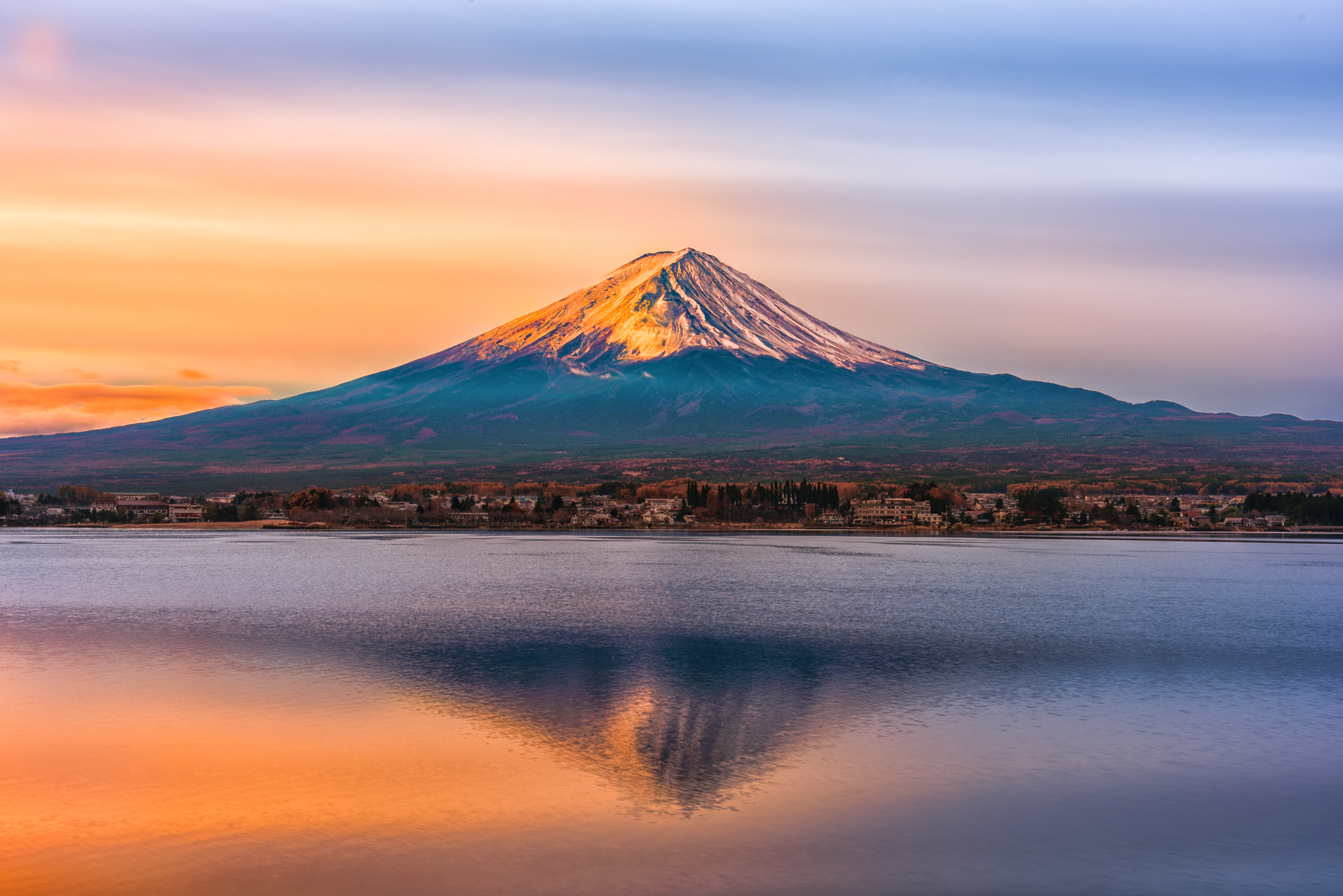

Japan is the rare place where a 300-year-old shrine and a wall of your child’s favourite anime characters sit two train stops apart, and neither feels out of place. This is a country built on contrasts held in perfect balance: silence and neon, tradition and invention, discipline and play. Trace the streets of Akihabara one day and the raked gravel of a Kyoto temple garden the next. Whatever story your family loves - a manga, a legend, a film you’ve watched together a dozen times; Japan gives you a way to walk inside it, together.
Apricous Key facts strip

The Apricous way
We plan slowly. We build in rest. Every experience is layered with warmth, flexibility, and care — so parents stay relaxed and children stay curious.
Designed for you
Every experience is chosen for you and it’s not just about seeing but about how you feel.
Japan Expertise, Gently Applied
Local specialists who navigate the trains, the etiquette, and the pace of Japanese cities and countryside, so your family experiences Japan fully, without ever feeling lost in translation.
Age-Sensitive Planning
Journeys adapt to your child’s stage, not a template.
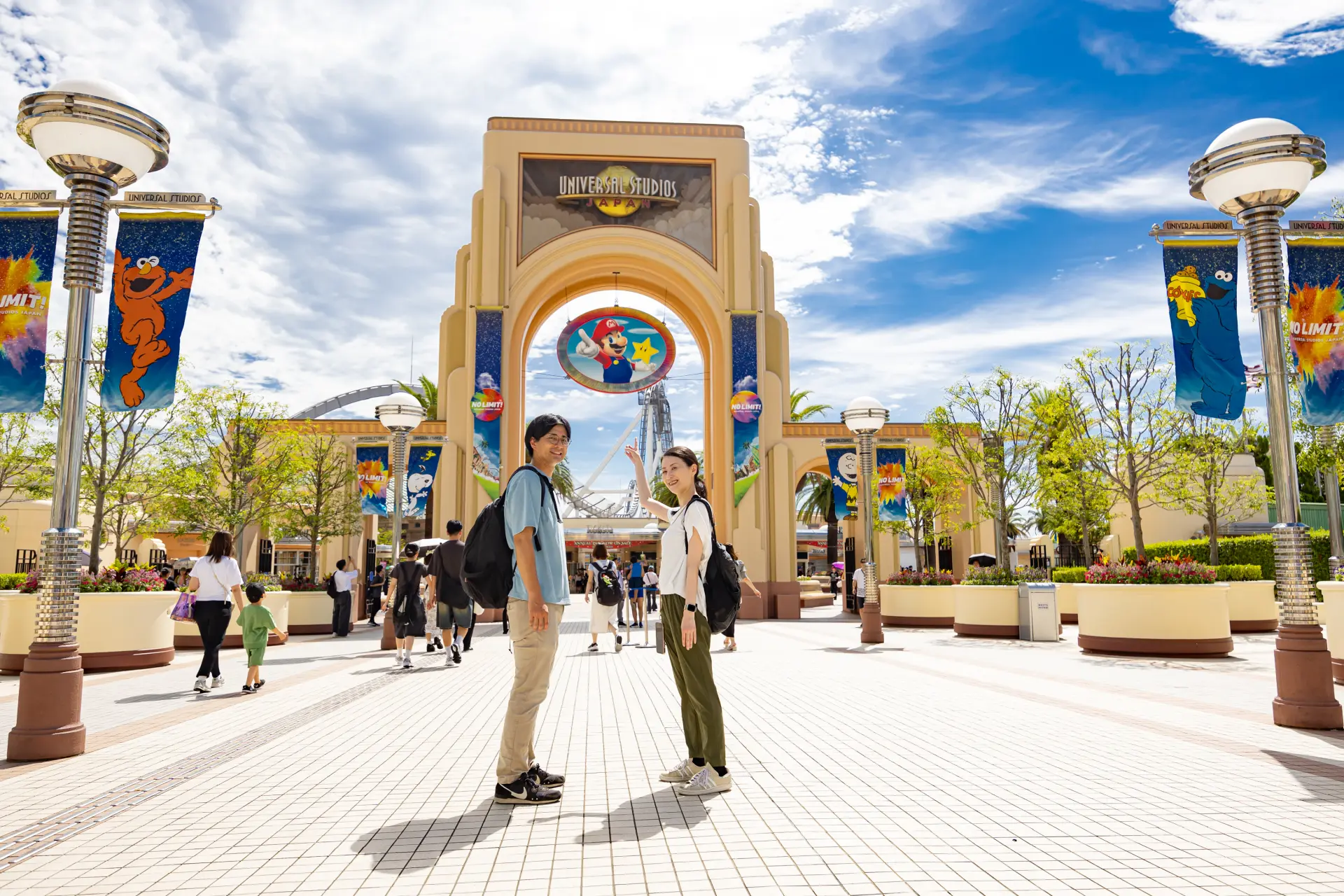
Carefully Planned
We plan with you. We build in rest. Every Japanese experience is layered with warmth, flexibility, and care so parents stay relaxed and children stay curious.
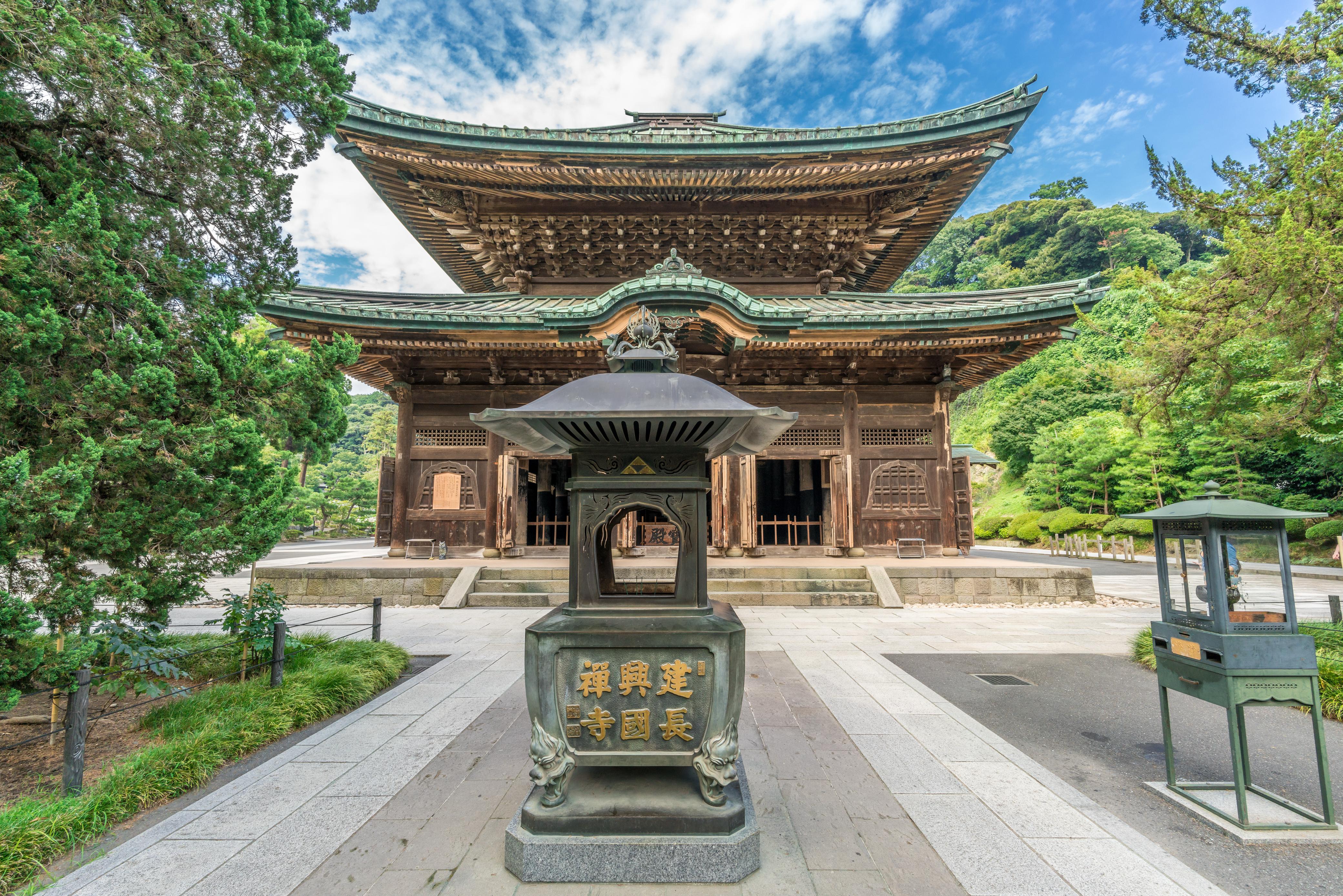
Experiences & Bonds
Live Inside the Story
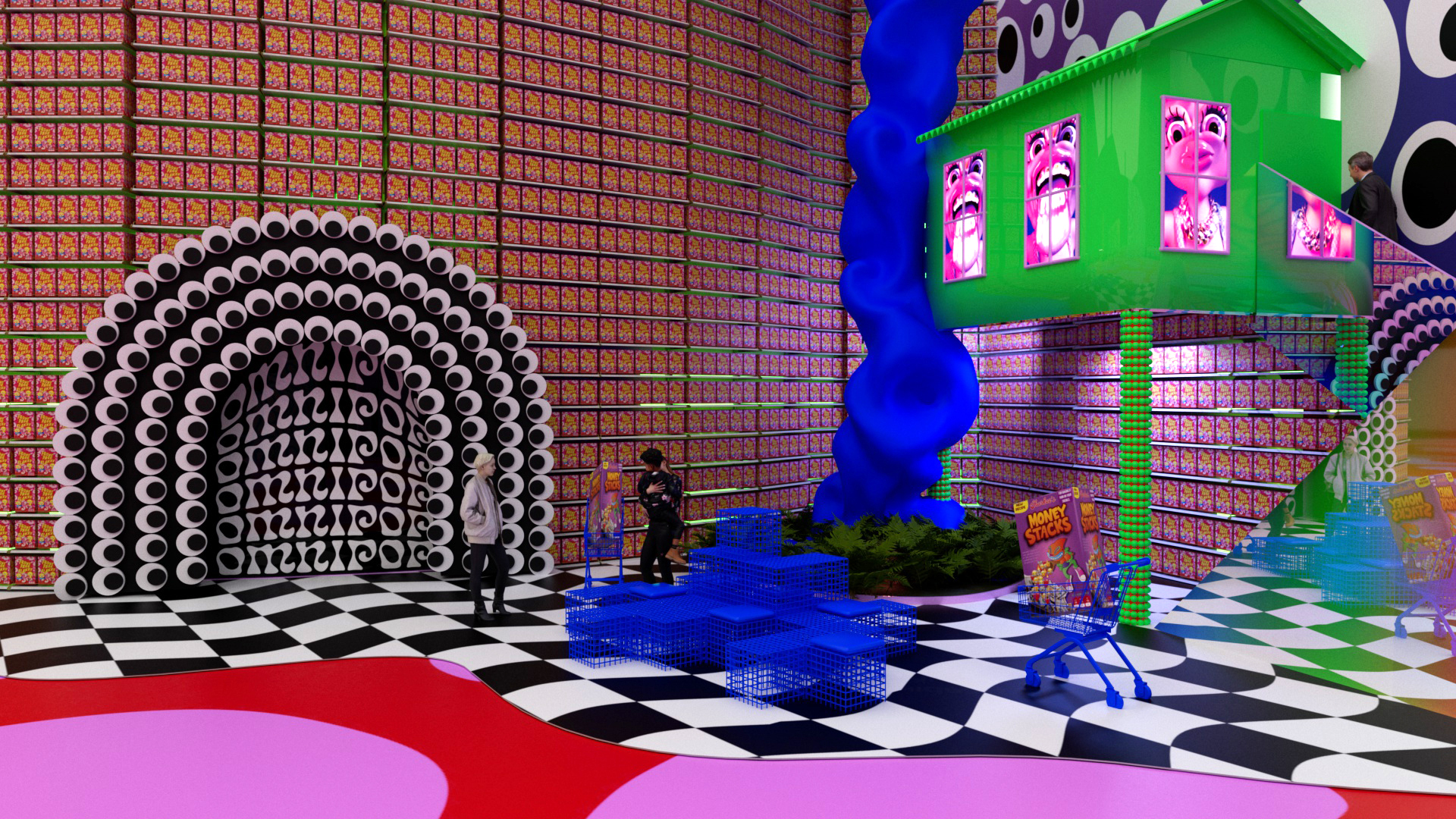
Akihabara’s arcades, Nakano’s manga stacks, a Studio Ghibli-inspired museum where the exhibits ask you to notice rather than just look - this is where your child’s favourite universe steps off the screen. Build a themed day around whatever they love: a franchise, a genre, a character they’ve been drawing for years. It’s not a detour from the real Japan; for a ten-year-old, it might be the truest one.

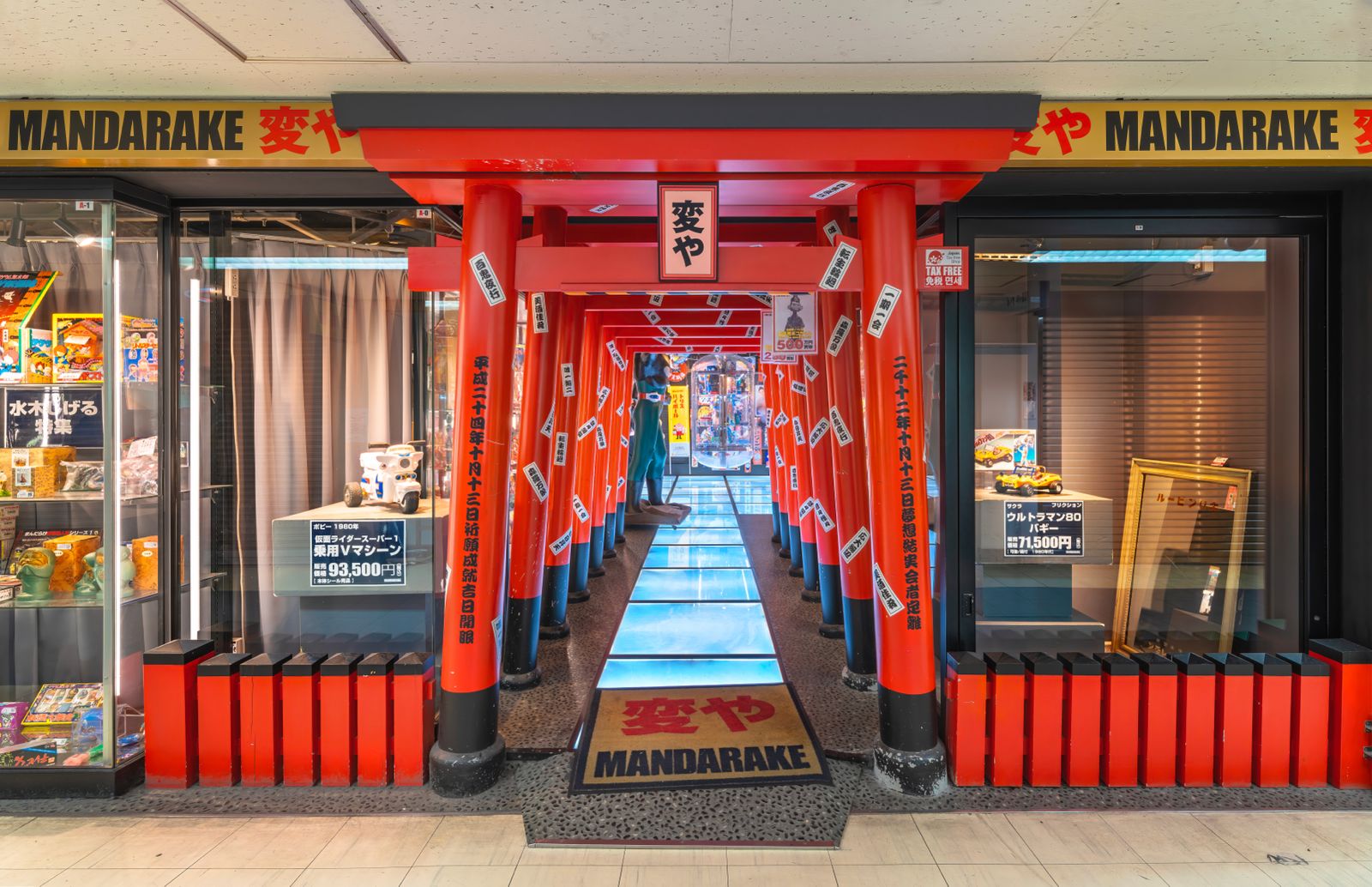
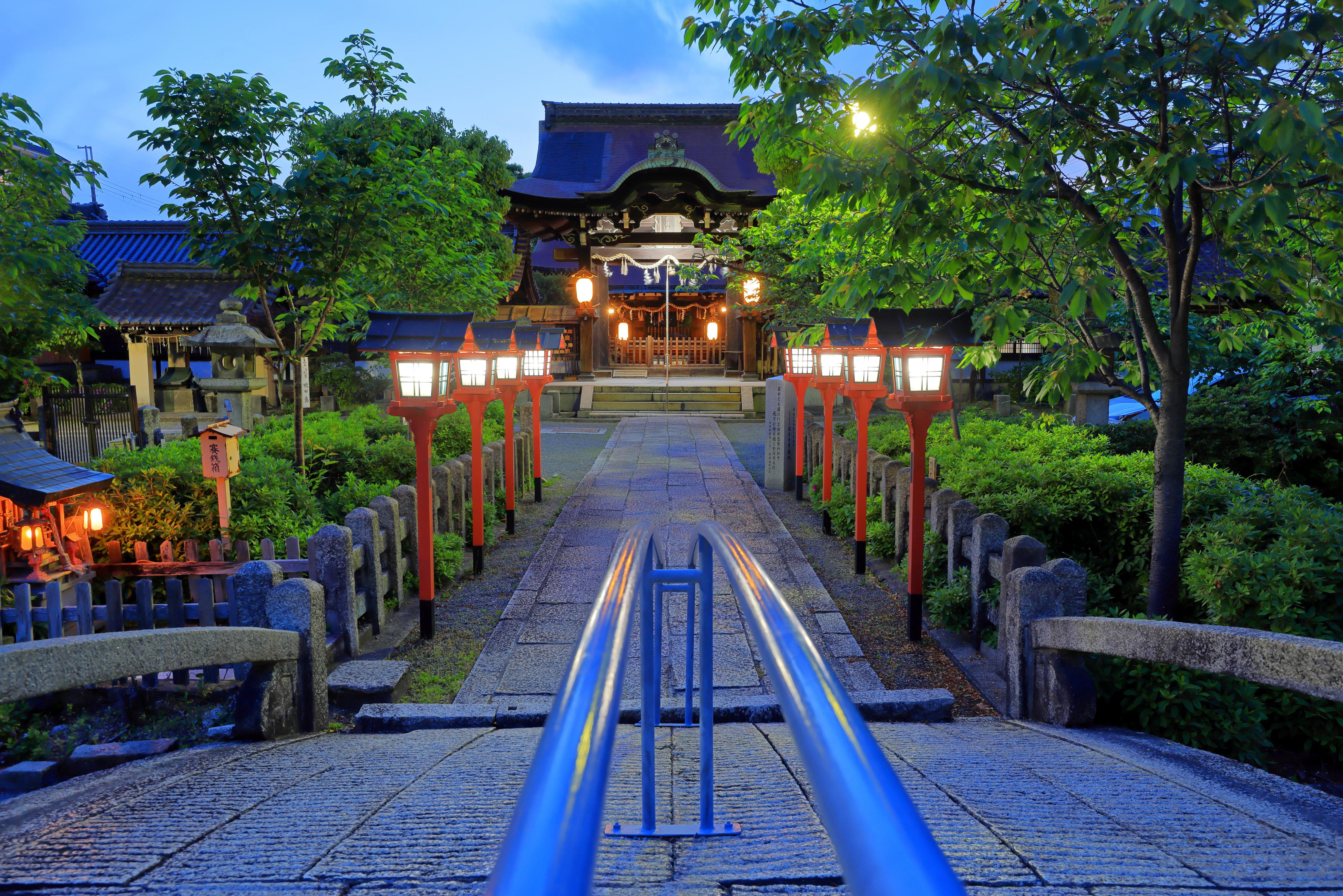
Way of the Samurai
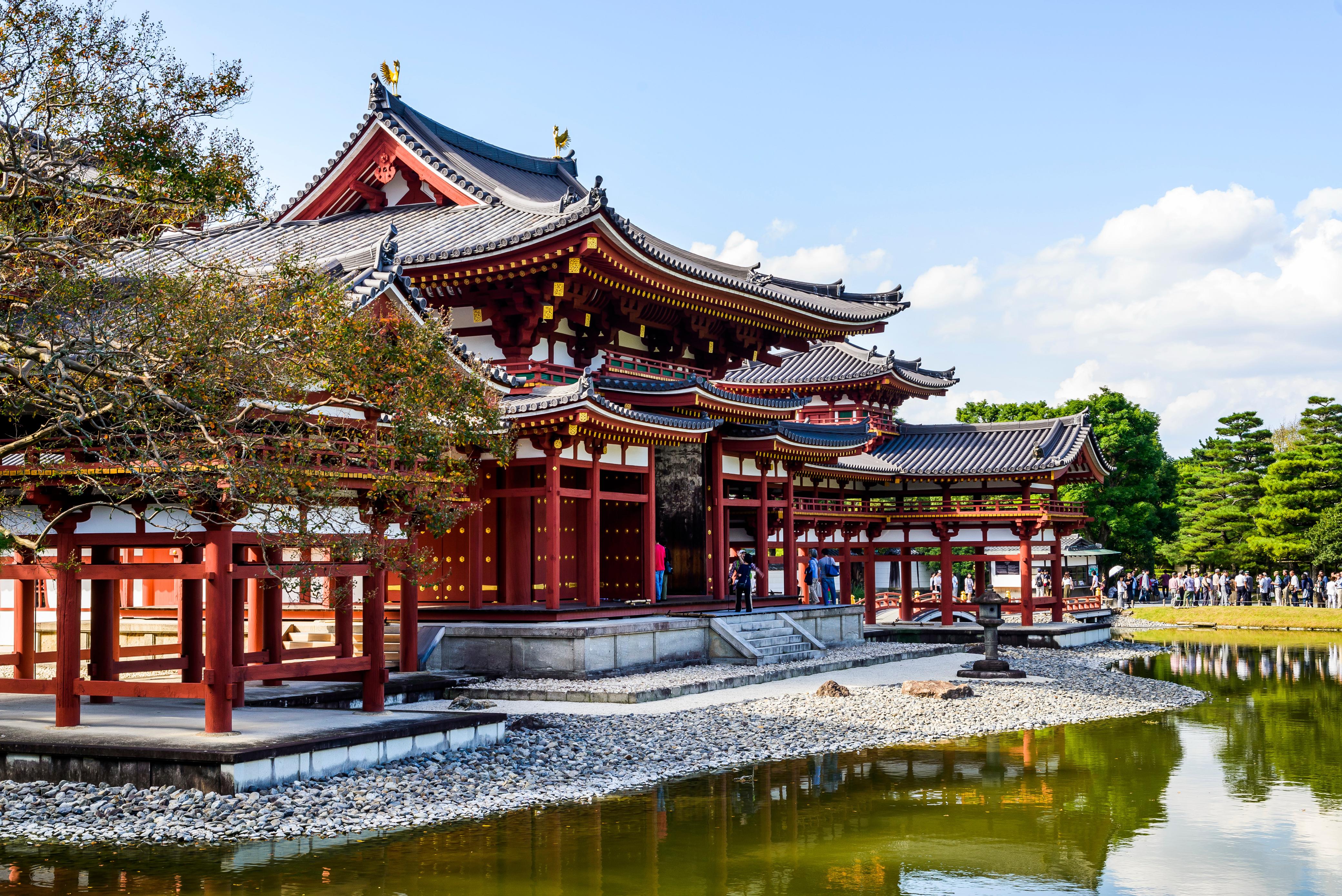
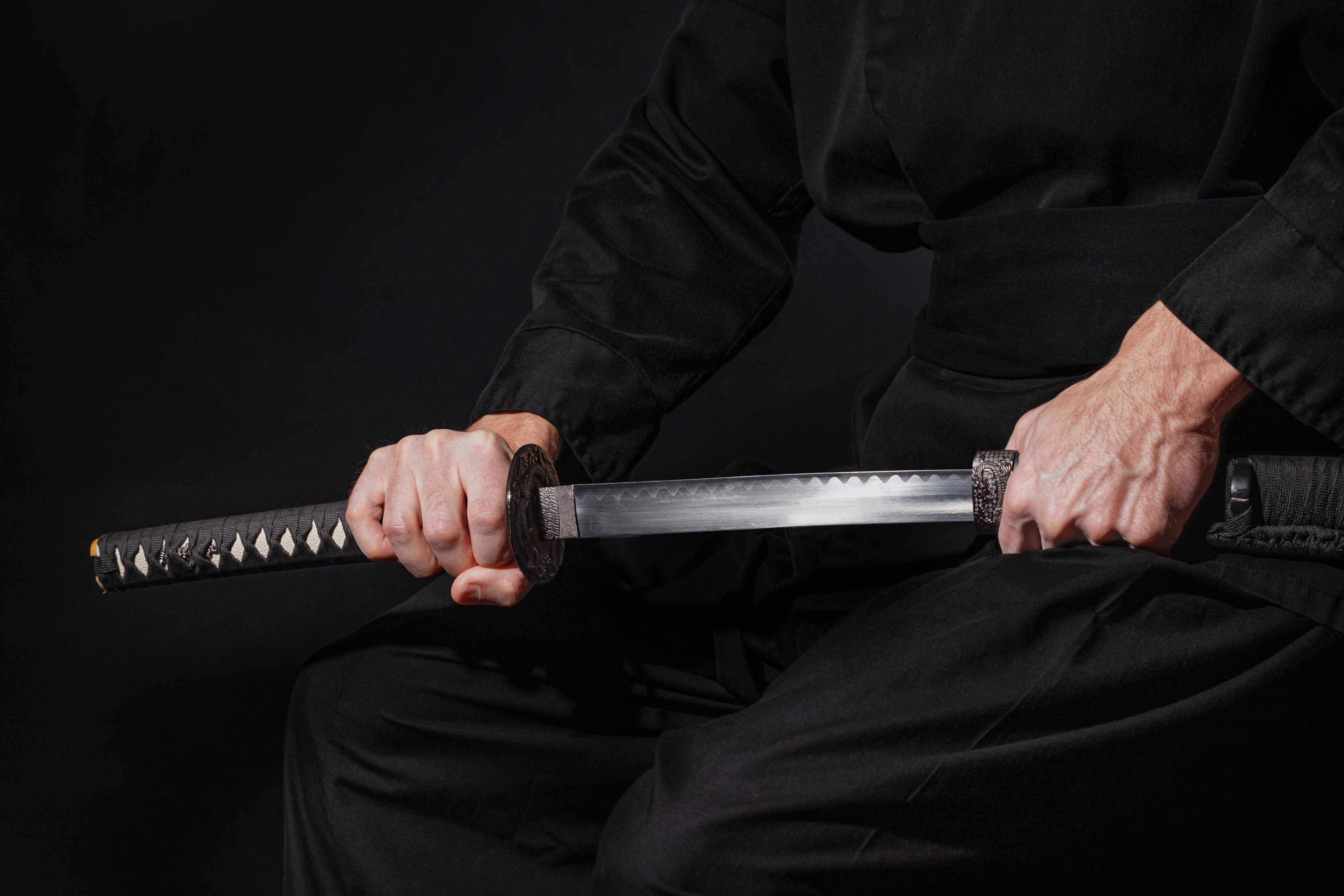
Long before manga, Japan told its stories through the sword. Hold a katana under real instruction, learn the stillness behind every strike, and visit the castles where these codes of honour were written into stone. Add a tea ceremony the same week, and your family starts to see the discipline connecting a samurai’s bow to a tea master’s pour.
Hokkaido, Season by Season
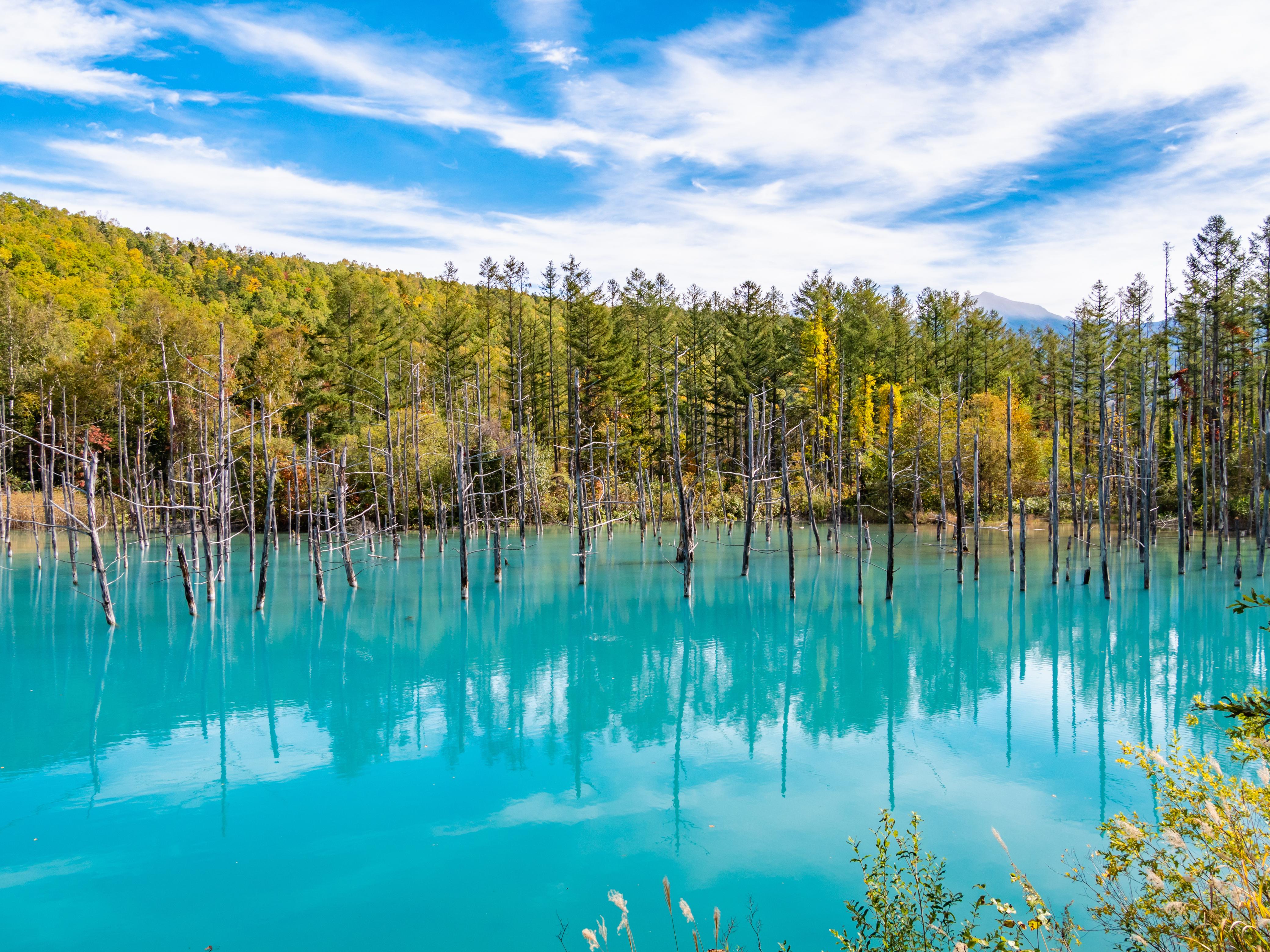
Winter in Hokkaido means snow piled waist-high, powder soft enough to fall into on purpose, and steaming onsen where you can soak outdoors as snowflakes settle on your shoulders. Come summer, the same land turns into rolling fields of lavender and sunflowers around Furano and Biei, colour stretching to the horizon in a way Japan’s cities never quite manage. Two visits, two entirely different countries, and both are Hokkaido.
.jpeg)
The Quite Side of Japan
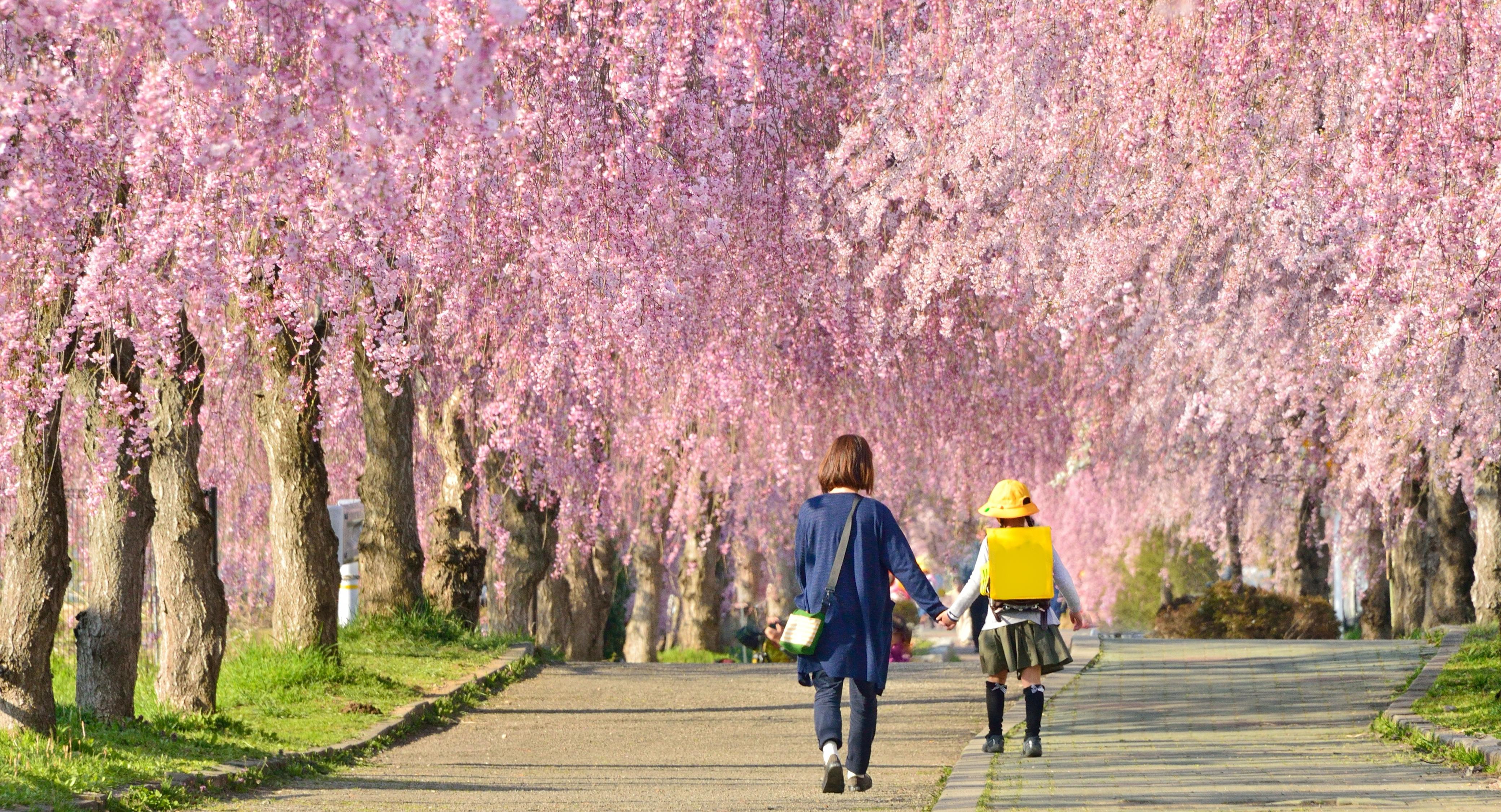
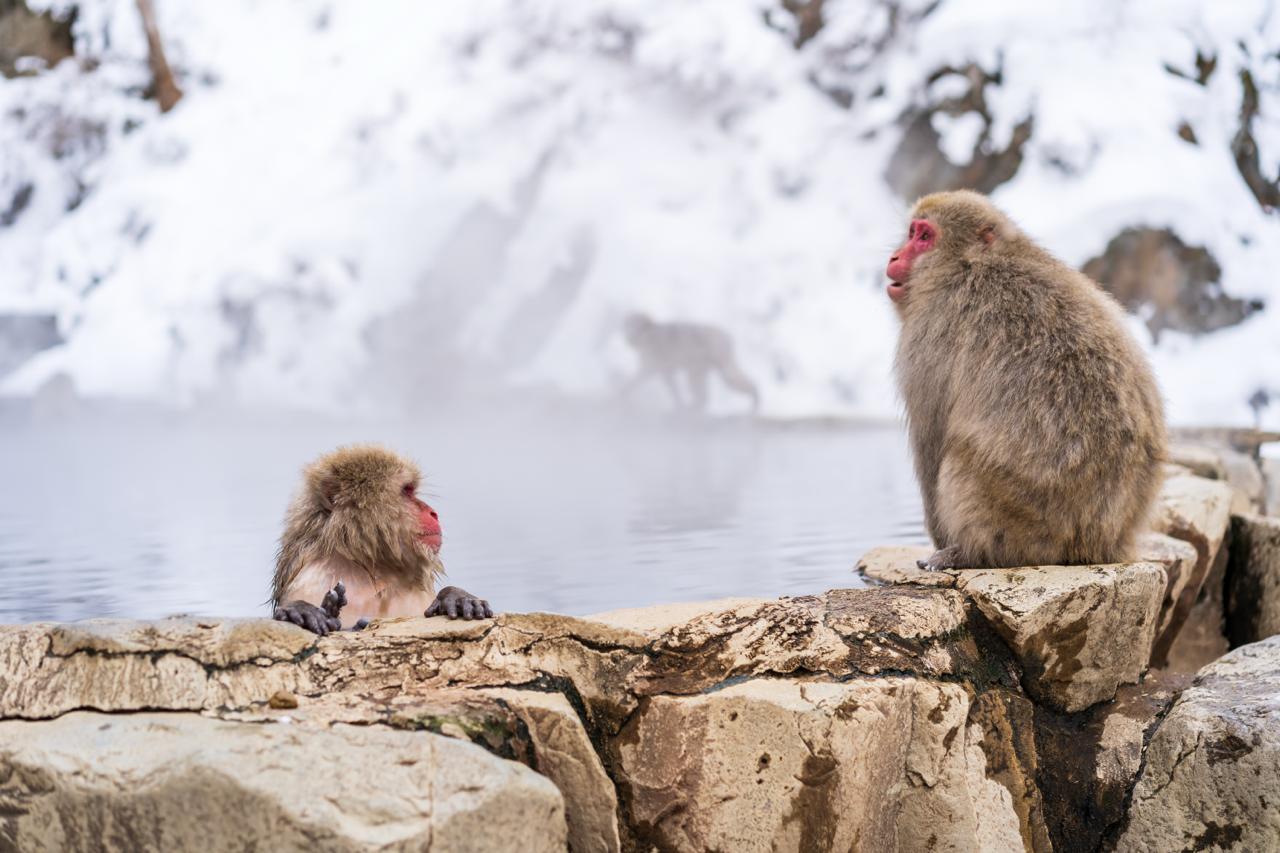
Not every story needs noise. In Nagano’s Jigokudani, “Hell’s Valley”: wild snow monkeys sit shoulder-deep in a steaming hot spring while snow settles on their faces, a sight your family will watch in complete silence. Walk beneath cherry blossoms or autumn maples in a temple garden, then spend a night in a ryokan where the walls are paper-thin and the hospitality isn’t. This is Japan teaching your family how to be still together, no screens required.
Where Every Day is
Designed for You
Kneeling together to fold the first clumsy paper crane, or standing in a themed café your child chose entirely on their own. No rush. No distractions. Just a moment that belongs to you.
Parent and child bow together before a tea ceremony, learning the same quiet ritual side by side, as equals for once. In Nagano’s ninja village, that dignity doesn’t survive long, outwitted by your own kids at trick doors and hidden floors. Anime pilgrimages and onsen evenings round out a trip where stories and stillness are learned through experience, not lectures.
.jpeg)
Neither of us had ever camped overnight before, so trekking through Dovrefjell for the three of us and pitching our tent for the night was its own kind of achievement. No signal, no schedule. Just us, as a family, bonding together with Musk Ox for company.
Neither of us had ever camped overnight before, so trekking through Dovrefjell for the three of us and pitching our tent for the night was its own kind of achievement. No signal, no schedule. Just us, as a family, bonding together with Musk Ox for company.

The unending list of stunning beaches is probably the most obvious reason to visit this tropical paradise in the Indonesian archipelago- Yes ,it is Bali. Each beach has its own charm, from soft white sand and limestone cliffs to extreme water sports and diving. From the mainstream Kuta and luxurious Nusa Dua neighbourhoods to hidden, remote beaches away from the crowds, there's a beach for everyone, every need and every mood. Thank You APRICOUS!
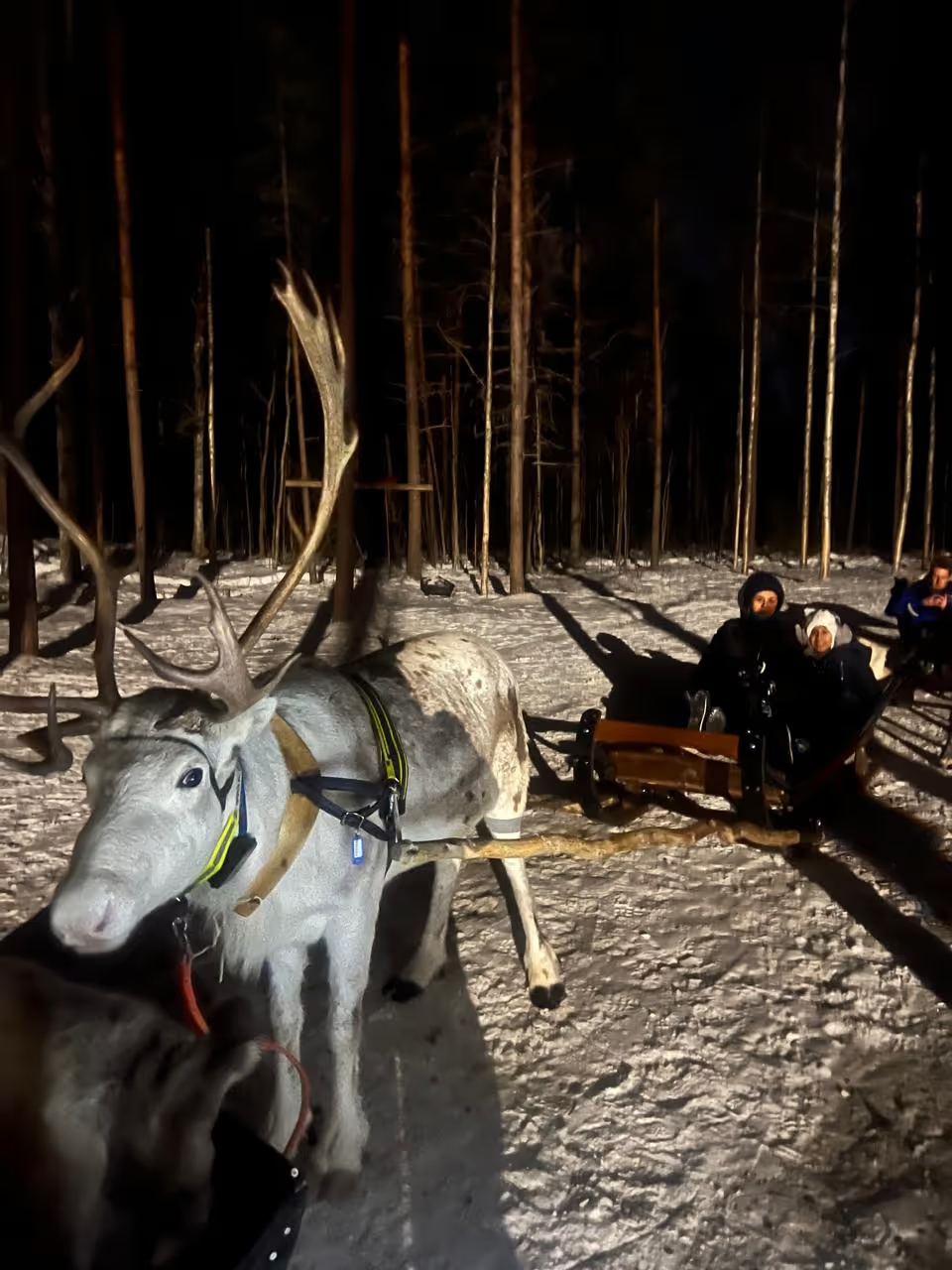
Thank you so much for organizing such a wonderful fun trip. Spent some fun time with my daughter. You really have organized it very well for woman travelers alone, it’s great We both enjoyed all the experiences; the husky ride got the better of us and was a tad scary.
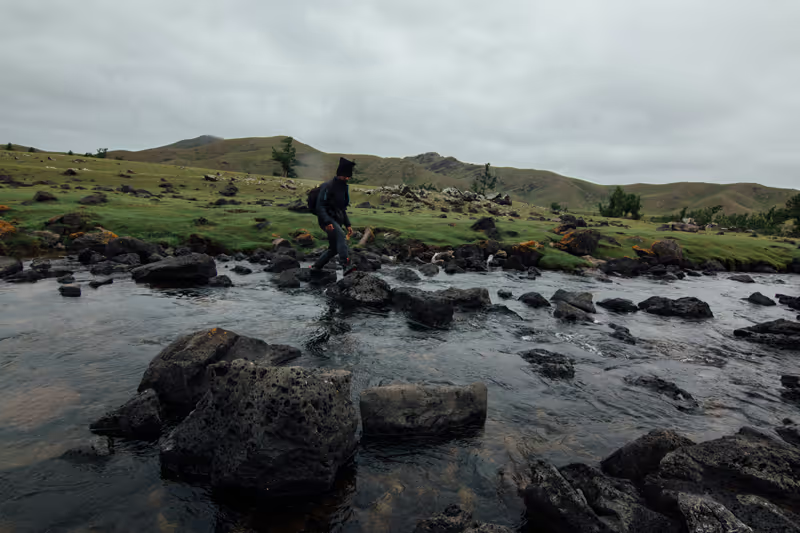
The first thing that crossed our minds was – Mongolia is huge. Distances are a lot and we were advised against going with an 8 yr old but I would say – Don’t listen to them! Yes, there were two long driving days but worth it. Was a very well organized one– some out of the box things – just when you think there could be nothing here (there is a lot of nothingness in the landscape) WHAM !! came the action … My wife and I loved the chitter chatter and excitement in our daughter’s voice throughout. I plan to go back for the reindeer experience as well… let’s hope soon. A big thank you to Apricous for the amazing memories.
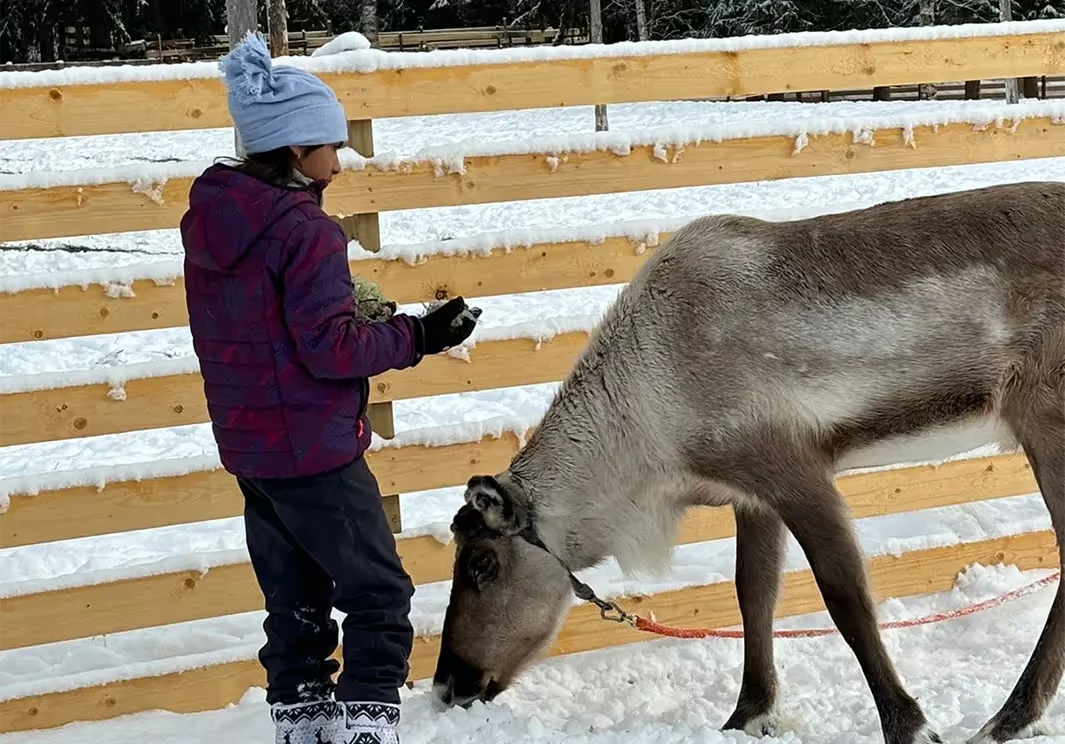
We really wanted to say this has been a fantastic holiday! We are so impressed with your planning and attention to detail, and your patience with all my changes and questions. We are really so blown away this has really been a superb trip! We’ve had a blast! And all the arrangements have been spectacular!
FAQ's
What is the best time to visit Japan with children?
+
Spring (March–May) and autumn (September–November) are ideal, bringing cherry blossoms or fall foliage alongside mild, comfortable weather for a family itinerary. We recommend avoiding June–July, Japan’s rainy season (tsuyu), when humidity and unpredictable downpours make outdoor days harder to plan around. Winter works too, especially for onsen and snow experiences, if your family doesn’t mind the cold.
Is Japan safe for family travel with kids?
+
Yes, Japan consistently ranks among the safest countries in the world for families, with low crime, clean public spaces, and a culture that’s genuinely welcoming to children. Public transport is punctual and easy to navigate even with strollers or luggage, and English signage is common in major cities. The main adjustments for families are cultural, not safety-related like quieter public behaviour, shoes-off etiquette, and cash still being widely used alongside cards.
How many days do you need in Japan with family?
+
9-10 days is enough to properly cover two contrasting bases — typically Tokyo and Kyoto — without rushing between them. Fewer days means picking one region and going deeper rather than skimming both; more days lets you add a third stop, like Osaka or a rural onsen town, at an easier pace for younger children.
Can kids experience anime and pop culture as part of a family trip to Japan?
+
Yes, and it can be built as a genuine centrepiece rather than a side stop; from Akihabara’s arcades to manga libraries and Ghibli-inspired museum experiences. These sit naturally alongside Japan’s traditional side, so a single day can move from a temple visit to a themed café built around your child’s favourite story, with no sense of whiplash between the two.