
Nurturing an Empathetic Child – Let Travel Help
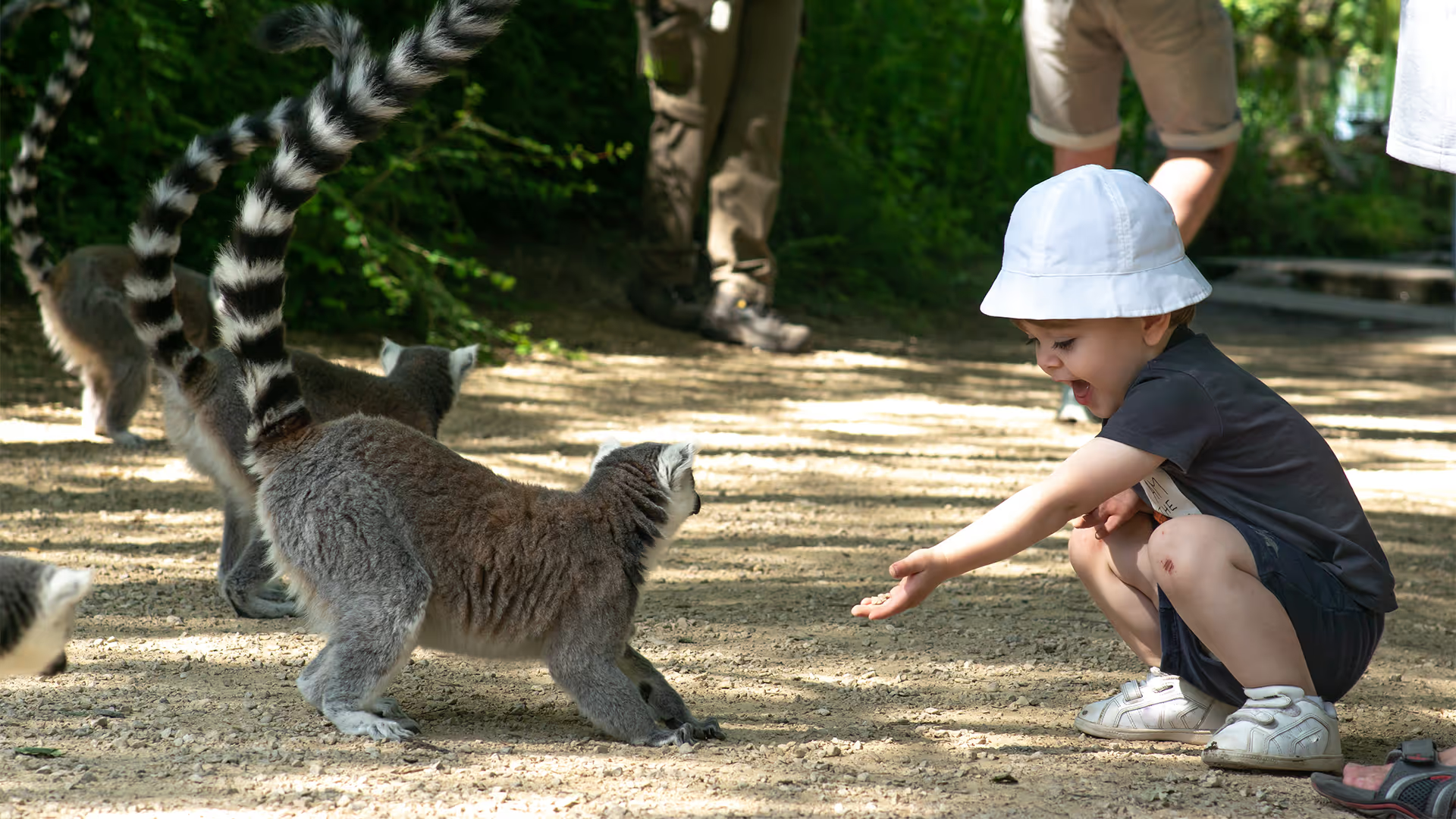

Spending time with kids on the road does more than fill a passport with stamps. It is one of the most effective ways to raise empathetic, globally aware children. At Apricous, we design custom parent-child holidays built around exactly this idea: slower, more intentional trips that turn everyday moments into lasting bonds. This guide explores how travel builds cultural empathy in children and shares practical ways to plan a trip with real cultural engagement, without turning your holiday into a classroom.
What is Empathy in Children?
Empathy grows in stages. It starts with knowing they are separate from others, then moves toward noticing how someone else feels, imagining their perspective, and wanting to help. Children are born with the seeds of empathy, but their environment determines whether those seeds grow. Travel, done well, is one of the richest environments a family can offer.

How Travel Builds Cultural Empathy in Children
Cultural exploration is one of the simplest ways to raise global citizens through family travel. Trying local food, visiting a neighbourhood market, or sitting through a festival together teaches children that people live differently yet feel many of the same things. In Japan, a traditional tea ceremony shows children what patience and respect look like in practice, far more clearly than any explanation could.
A few more ways to teach kids about different cultures through travel:
* Volunteering alongside local families or community groups
* Listening to and retelling local stories or folk tales
* Role-playing everyday scenarios, like ordering food in a new language
* Simply observing a place and talking about what stood out afterwards.
The goal is not a checklist. It is helping your child notice the world is wide, and that difference is not something to fear.
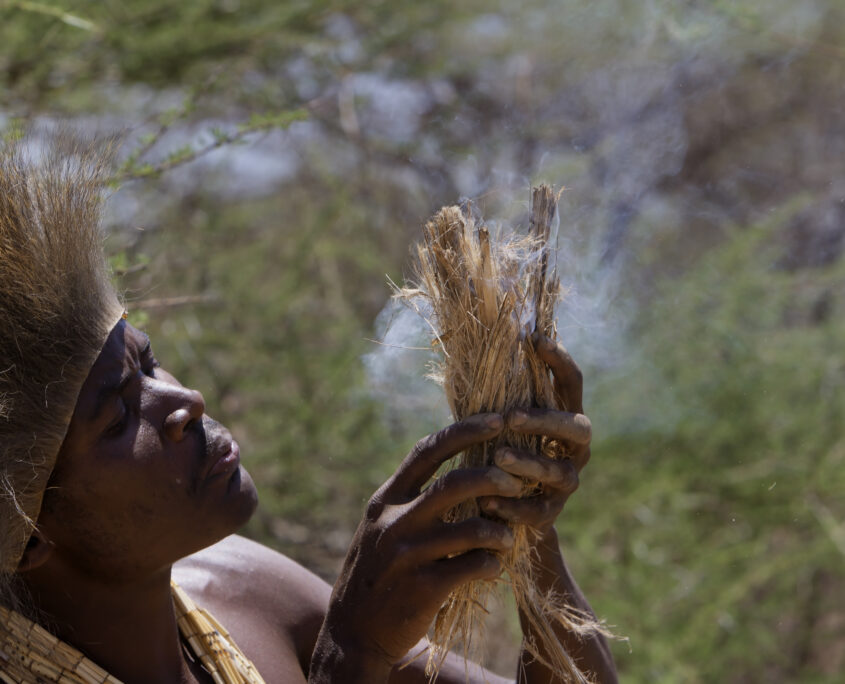
Spending Time with Kids: Why the Format of Travel Matters
It is not only where you go with your child, but also how you spend time together once you arrive. A rushed, sightseeing-heavy itinerary rarely builds empathy. Slower trips do.
A few ways to organise a family trip with deep cultural engagement:
* Stay longer, move less. A few nights in one place lets kids build small routines with locals, rather than skimming the surface.
* Build in unstructured time. The best cultural conversations happen when nothing on the itinerary is competing for attention.
* Involve your child in small decisions. Choosing a dish to try, or a market stall to visit, gives them ownership of the experience.
* Talk it through afterwards. A five-minute chat over dinner about what they noticed does more for understanding than the activity itself.
This is the thinking behind every itinerary we design at Apricous, building in the pauses where real connection happens.
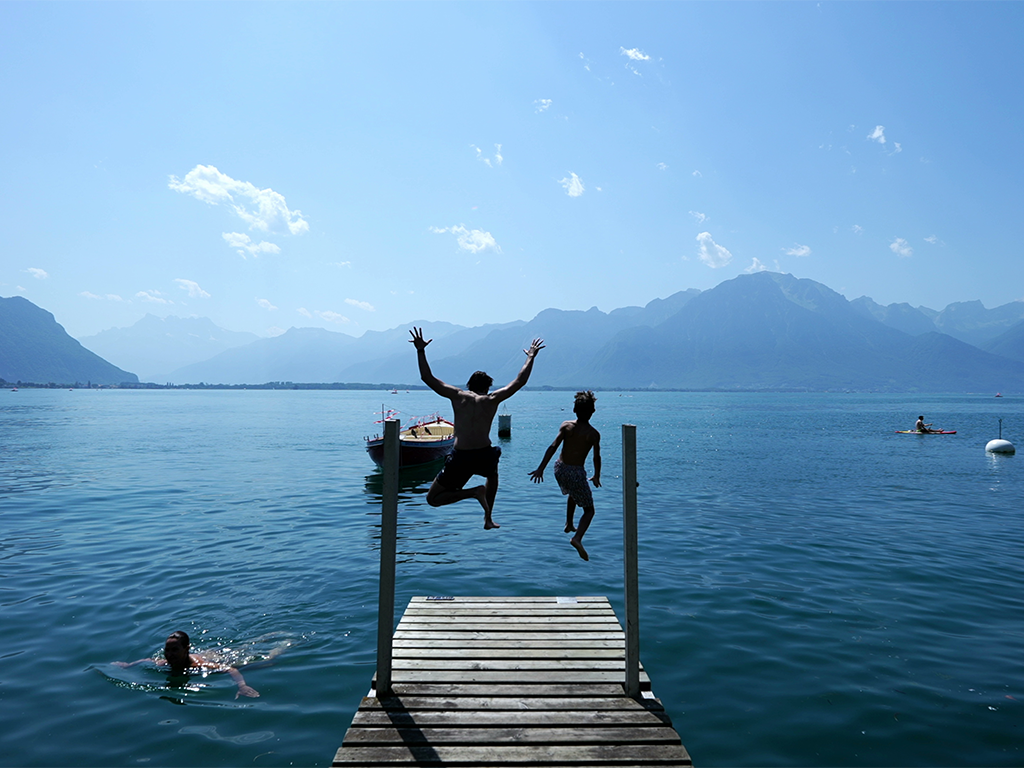
Ways Travel Improves Communication Skills in Children
Hearing a new language in context does something a classroom rarely can. Children pick up on tone, gesture, and rhythm, and learn that communication is possible without a shared vocabulary. This hands-on exposure often sparks a lasting curiosity about language, and quietly builds confidence in children who might otherwise be shy around strangers.
Travel also improves emotional intelligence in less obvious ways. Navigating a new city or adjusting to a change in plans asks a child to read a situation and respond with patience rather than frustration, skills that later support strong friendships and thoughtful leadership.

Family Trips That Teach Kids Empathy and Kindness
Travel also gently dismantles stereotypes. When children meet people from different backgrounds in person, rather than through a screen, they see nuance instead of a single story, and begin to see themselves as part of a wider, connected world.
These experiences tend to stay with children long after the trip ends. A festival witnessed together, or a conversation with a local guide, can shape how a child sees the world for years afterwards.

Planning a Culturally Immersive Family Trip
If you are ready to plan a meaningful family trip, start with intention rather than a list of sights. Choose fewer destinations and give each one room to breathe. Ask your child what they are curious about, and let that shape part of the itinerary. If planning all this feels like a lot alongside everything else, that is the gap we fill through Apricous customised parent-child holidays, designed around your child's age, interests, and pace.
Final Thought
Raising an empathetic child does not require a perfect itinerary. It asks for presence, a willingness to slow down, and trips built around connection rather than a checklist. That is the kind of travel Apricous designs, one personalised journey at a time.
Frequently Asked Questions
Q: How does travel build cultural empathy in children?
A: It exposes children to different customs, foods, and perspectives firsthand, helping them understand that people can live differently while sharing similar emotions and needs.
Q: What is the best way to raise global citizens through family travel?
A: Slower, intentional trips work best. Staying longer in fewer places, involving children in small decisions, and talking through experiences builds more understanding than a packed sightseeing schedule.
Q: Can travel really improve a child's communication skills?
A: Yes. Hearing new languages and navigating unfamiliar situations help children read tone and context, build confidence, and often spark a lasting interest in other cultures.
Q: What age is right to start travelling for cultural exposure?
A: There is no fixed age. Even young children absorb atmosphere and new routines, and toddlers through teens can all benefit when the pace and activities suit their stage.
Q: How do I plan a culturally rich family vacation without overwhelming my child?
A: Keep the itinerary light, build in unstructured time, and let your child's curiosity guide part of each day.
We Don’t Just Plan Vacations, We Create Lifelong Memories and Unforgettable Adventures with your loved one.