
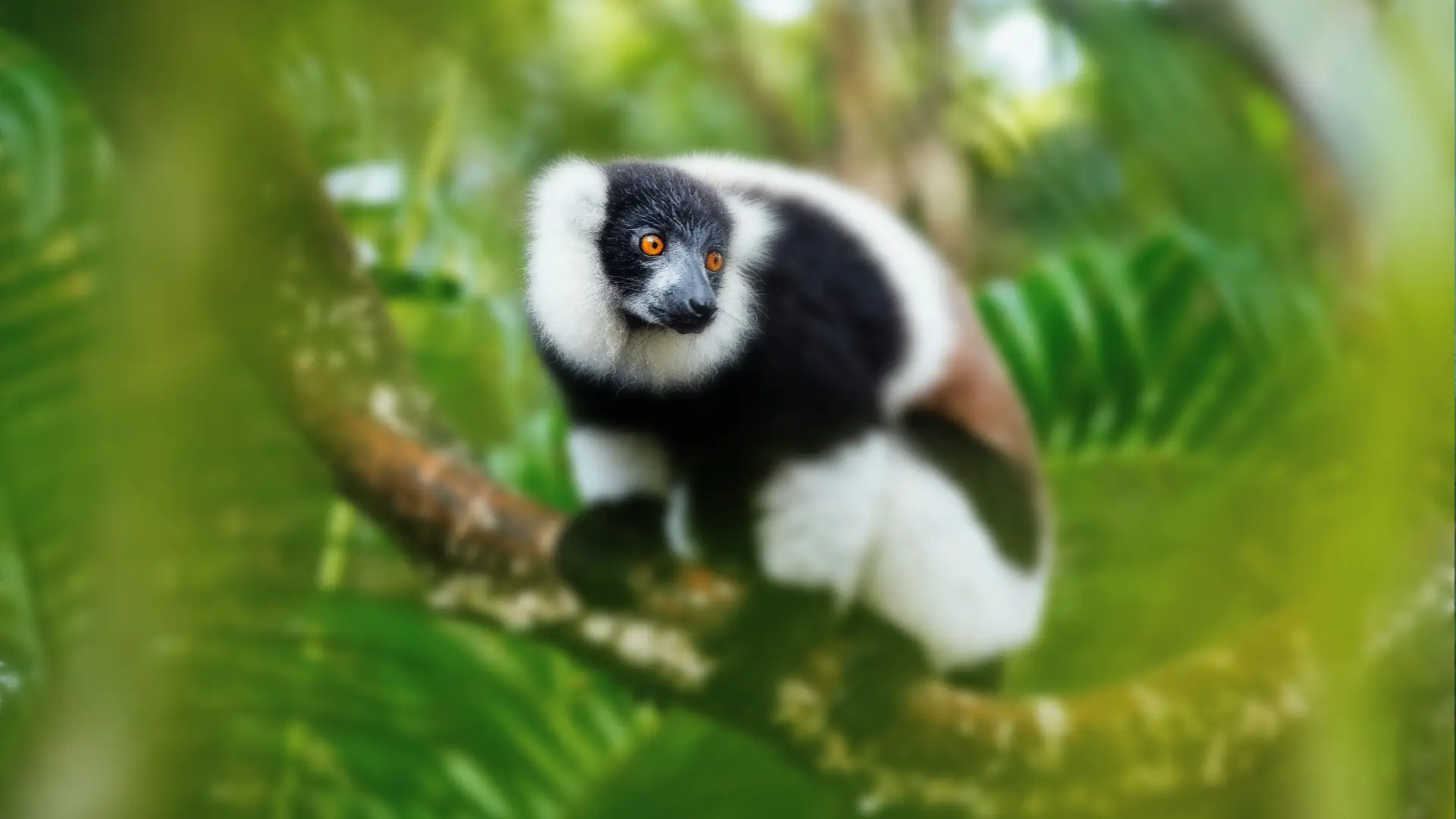

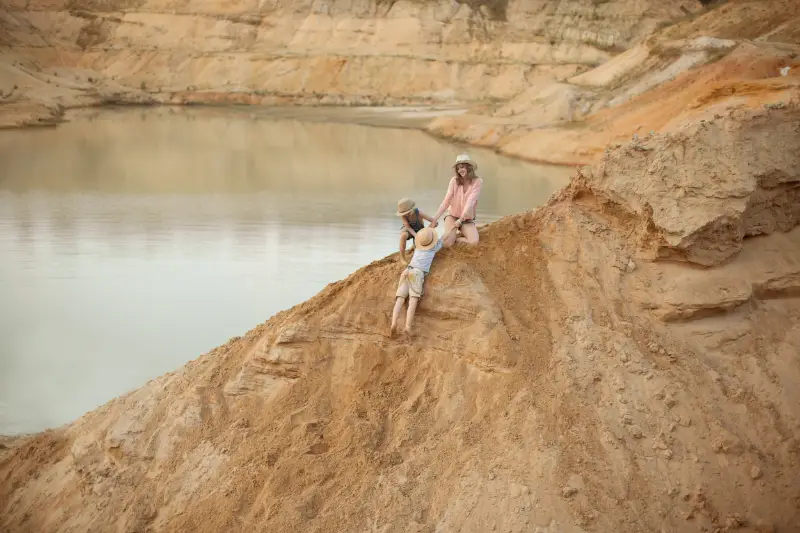
Together climb hills and trees, skin your knees and have fun under the sun! What better place for all of this than the ‘alternate world’ of Madagascar. The fourth largest island in the world is home to thousands of species of plant and animal life of which about 80 percent cannot be found anywhere else on the planet. Explore and learn as you traverse this enchanting land with your child; drive, kayak, climb and more! Children lead with curiosity, adults rediscover wonder and connection forms easily through shared discovery.
Apricous Key facts strip
The Apricous way
We plan slowly. We build in rest. Every experience is layered with warmth, flexibility, and care — so parents stay relaxed and children stay curious.
Designed for Curiosity to Lead
Experiences are shaped to invite questions and exploration that allows children to guide discovery while parents follow
Encounters Found Nowhere Else
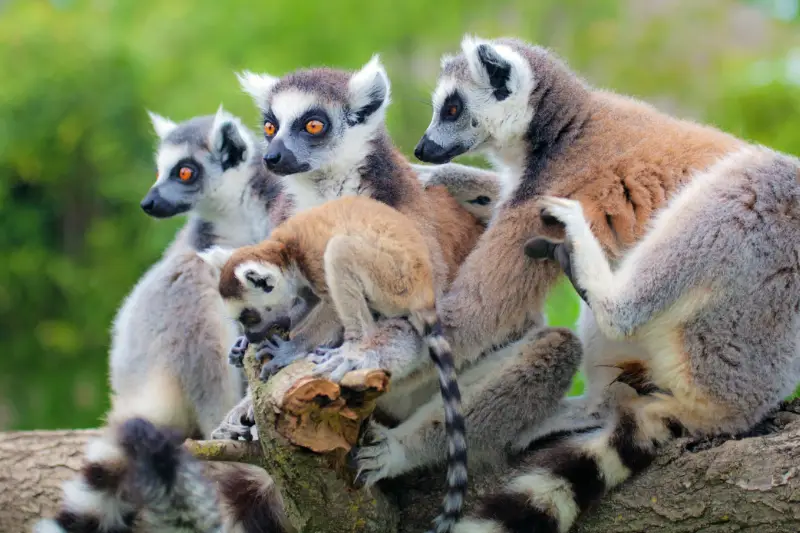
Madagascar’s wildlife is largely endemic. Children learn early that some places exist only once — and must be noticed with care.
Local Guides Who Nurture Wonder
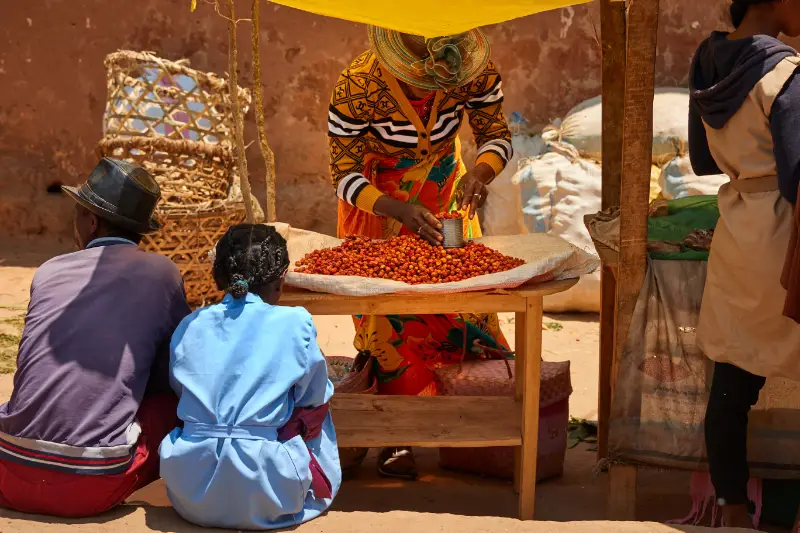
Our guides balance knowledge with warmth, helping families engage deeply without overwhelming young minds.
Depth Over Density
We favour fewer, meaningful moments so families leave with understanding, not fatigue.
Experiences & Bonds
Journey on RN7
Your tryst with nature starts with Antananarivo and Antsirabe as we hit Route No.7. Explore the old worldly charm of the cities. Enjoy a special experience with healing waters and taste the naturally sparkling mineral water or hike to the famous emerald green Tritriva Lake.

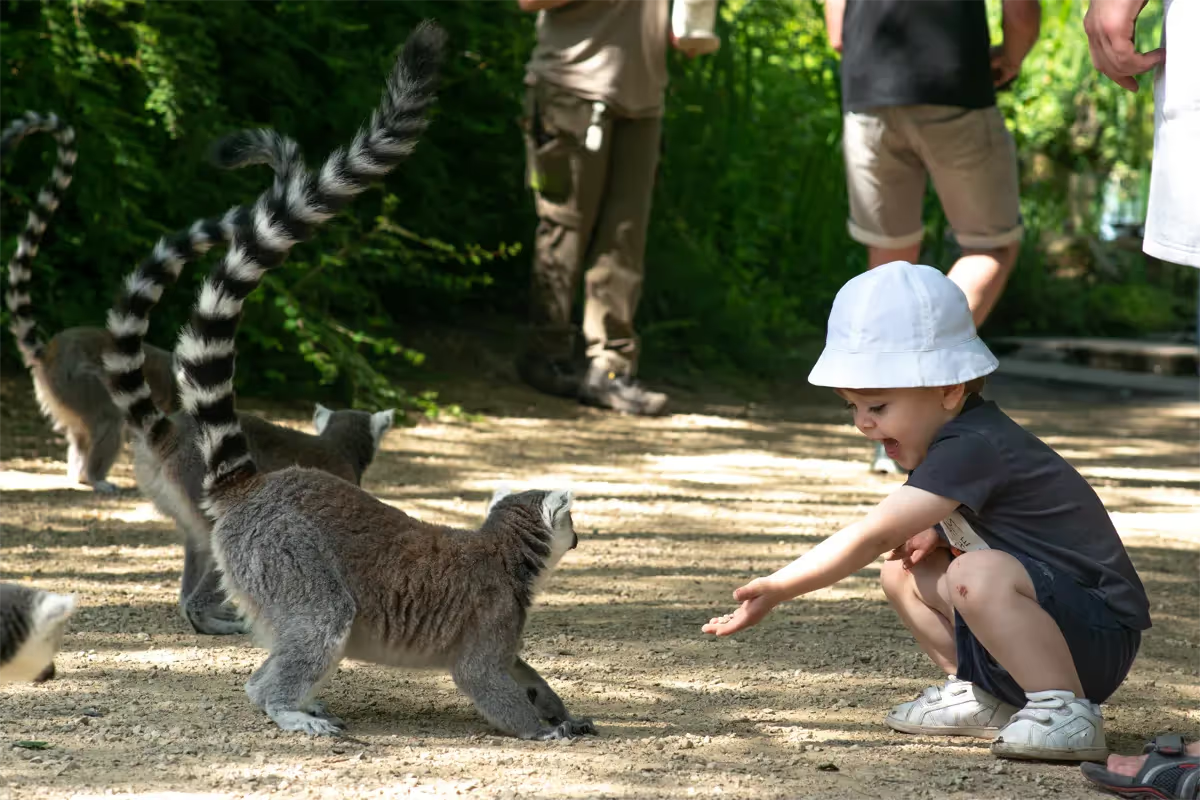
Lemurs rule here
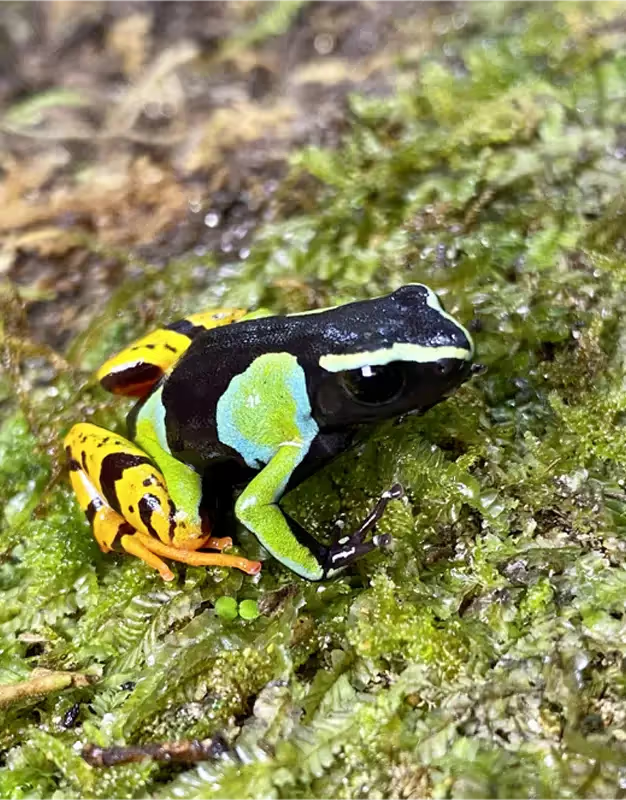
The only place on the earth where one can see this unique species in their natural habitat. Let’s hope we can get to see Golden bamboo lemur, endangered species like the aye-aye, a rodent-like lemur, sifaka, the critically endangered Sibree’s dwarf lemur among others. The diurnal and nocturnal walks will give an opportunity to also spot chameleons, geckos and colourful frogs among other endemic species at Ranomafana.
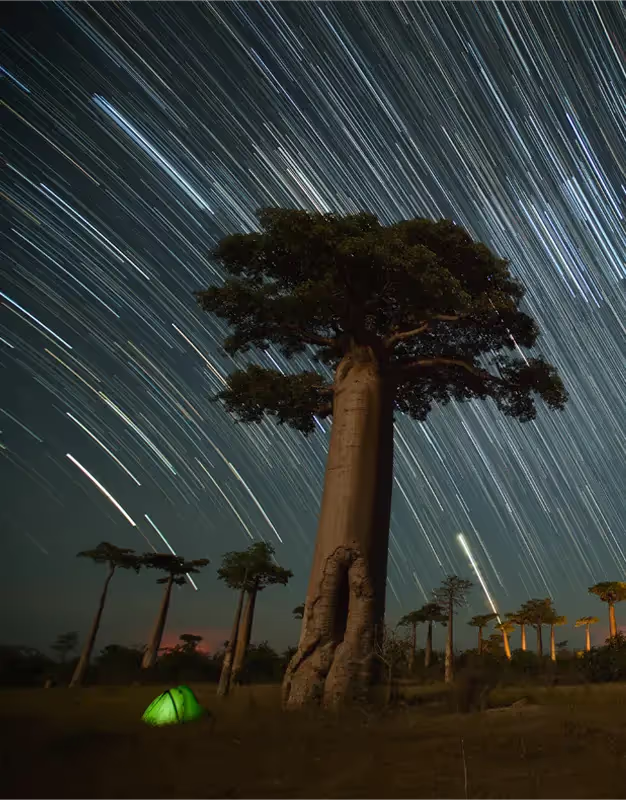
Home of Baobab
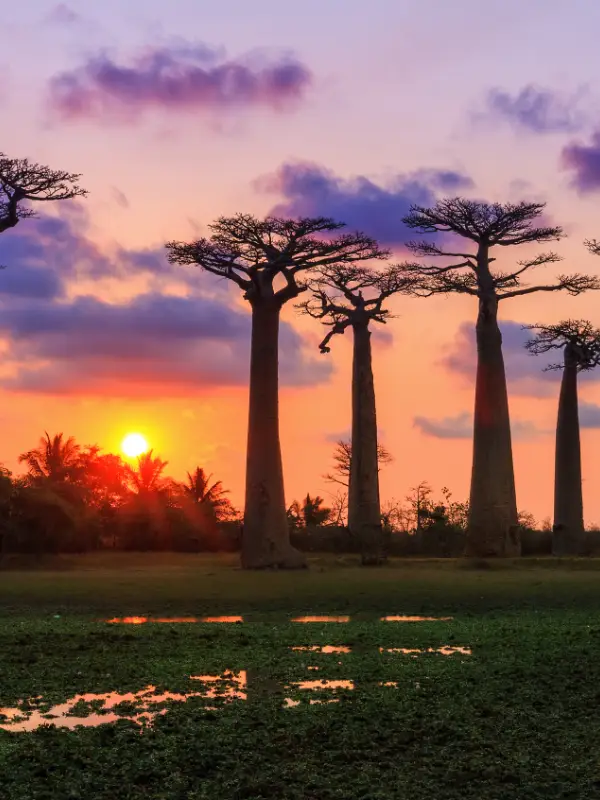
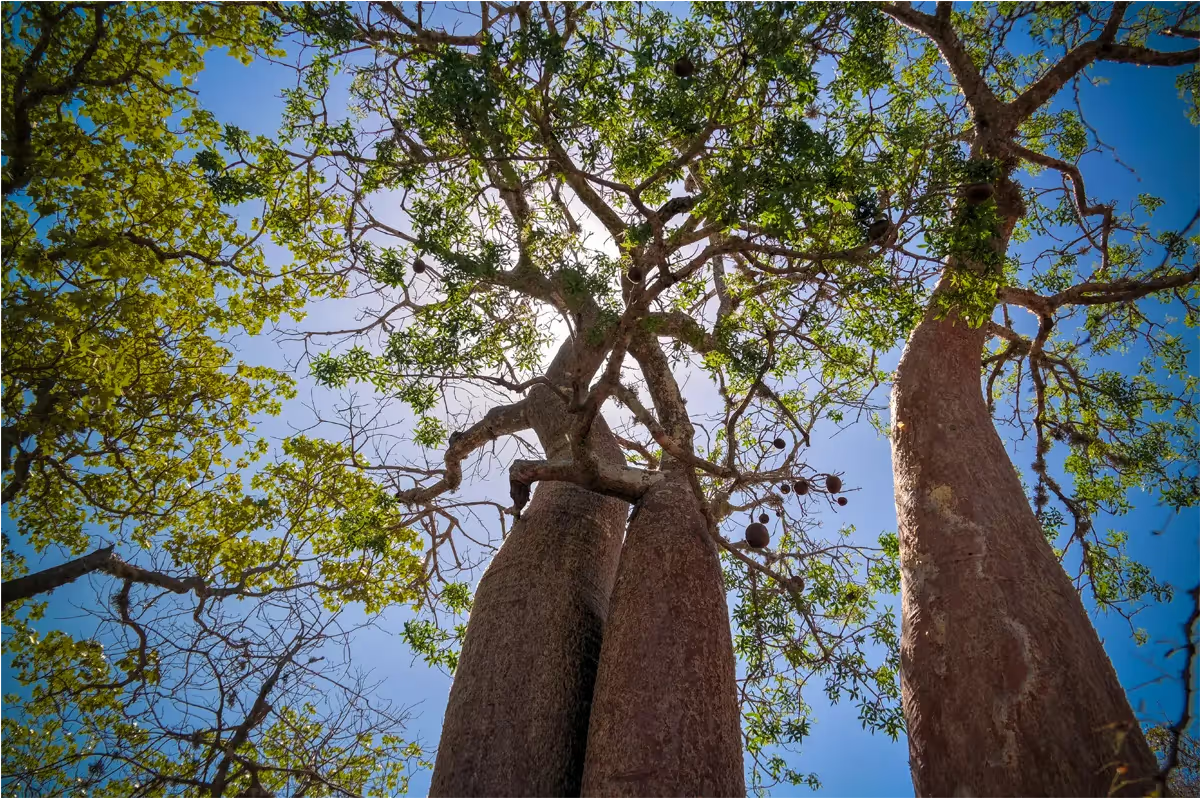
Six of the eight species are endemic to Madagascar, making this the true home of the Baobab. Get introduced to this majestic tree or ‘tree of life’ at Reniala reserve. Said to be a counterpart of the dinosaurs this sure can mesmerise you with its huge trunk and spiny arms. Not to mention the uses it’s put to in its lifetime, sometimes up to 3000yrs
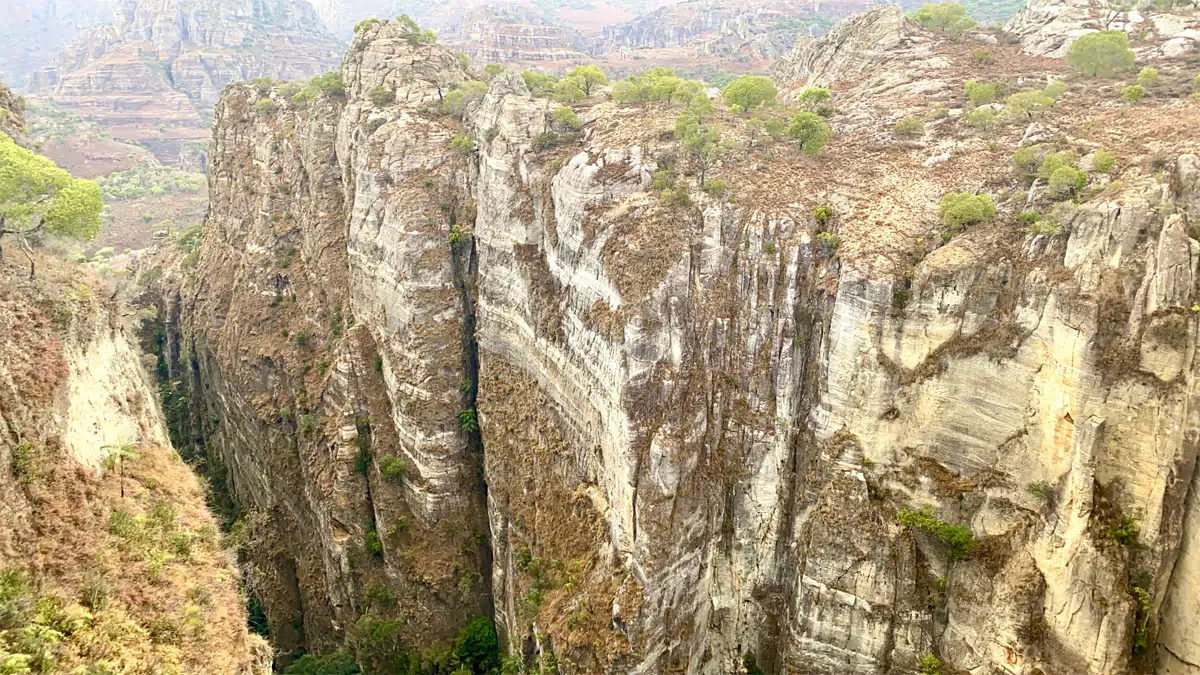
Know the lay of the land
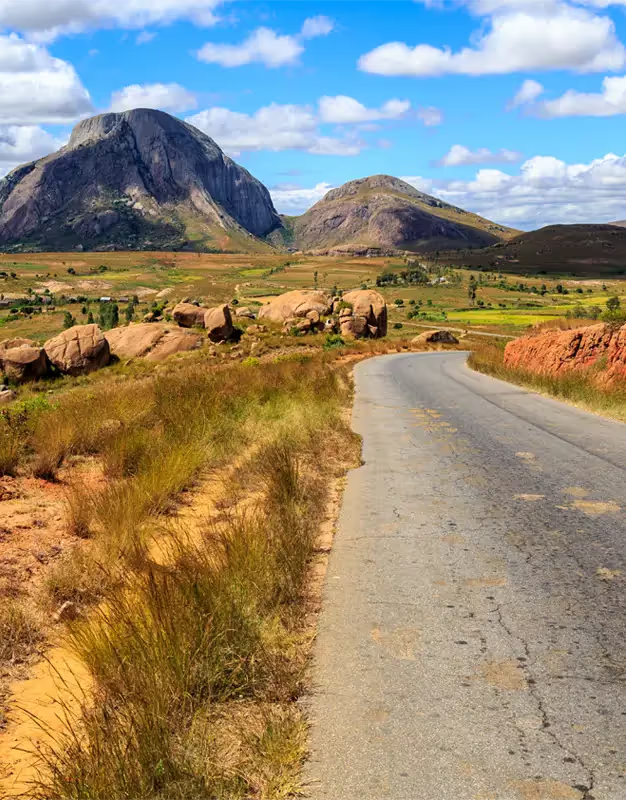
Explore the dense rainforest on foot, take the river route or be a little adventurous and go via ferrata. Scramble the massif from the Jurassic era at the Isalo National Park or take dip in the natural pools at the Namaza Canyon. This land offers breath-taking views of jungles, plateaus, canyons and pinnacles along with inhabitants that can only be found here.
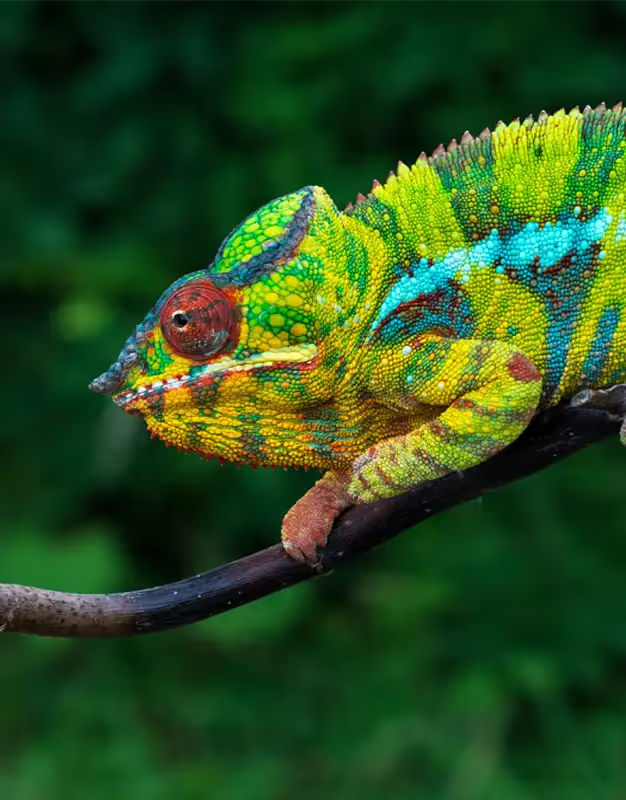
Where Every Day is
Designed for You
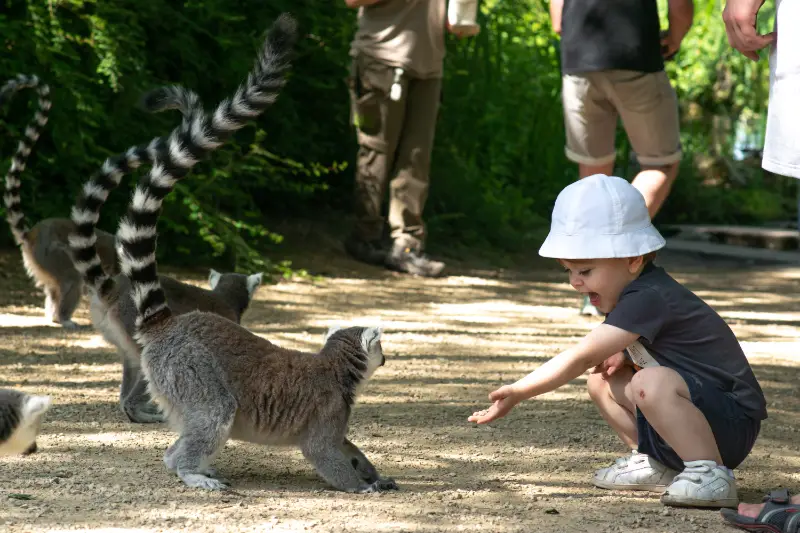
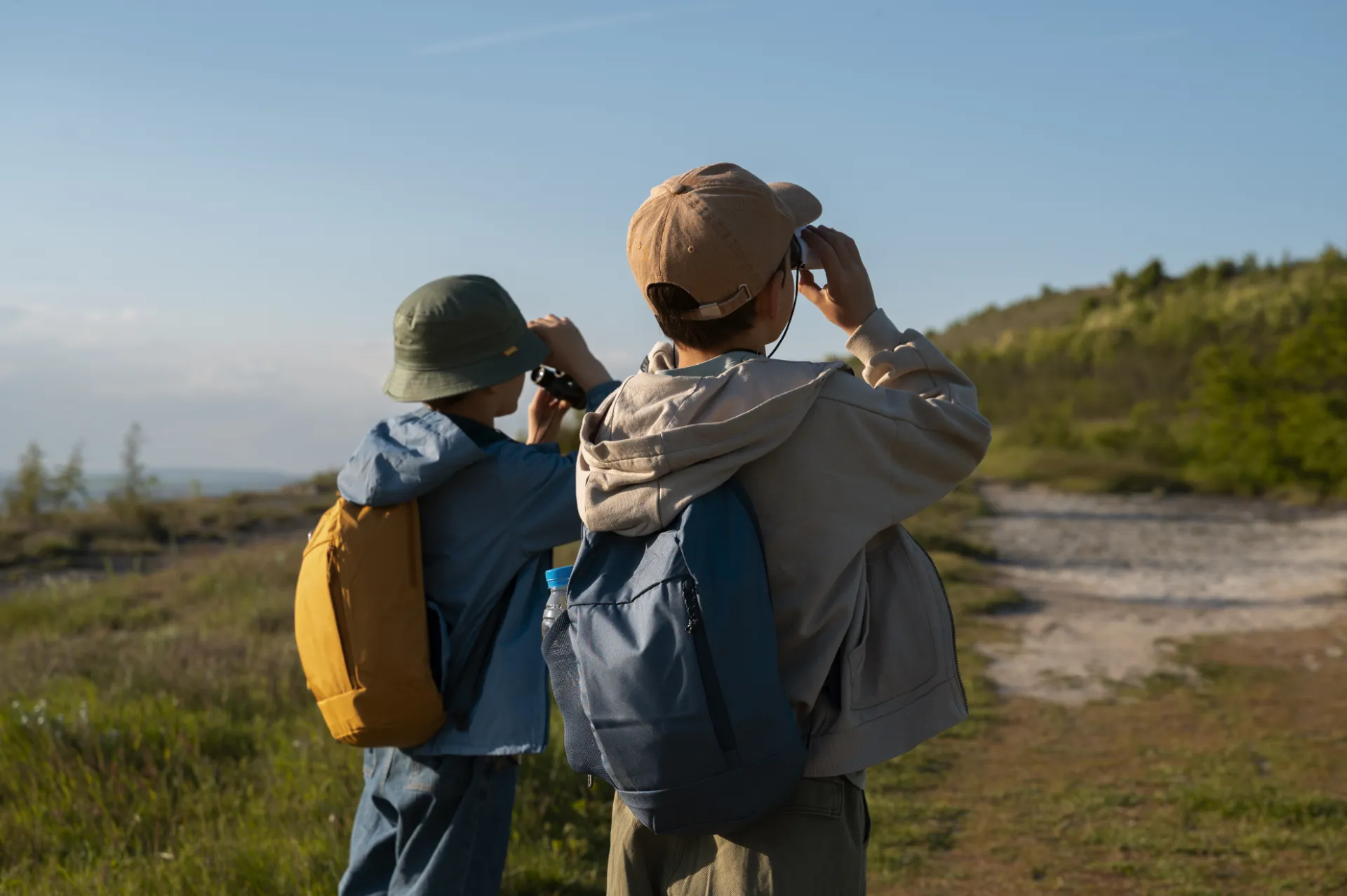
Exploring forests together, scanning branches and trails for lemurs and chameleons and some moments of surprise that spark shared excitement and conversation.
Guided walks where parent and child learn to recognise shapes, sounds, and movements found nowhere else, turning observation into a shared game. Coastal time spent walking, collecting, and watching the tide change, unstructured moments that allow curiosity and imagination to lead. Simple community interactions where daily rhythms, crafts, and traditions are shared naturally and absorbed through presence rather than explanation. Evenings spent revisiting discoveries from the day around a small barbecue.
.jpeg)
Neither of us had ever camped overnight before, so trekking through Dovrefjell for the three of us and pitching our tent for the night was its own kind of achievement. No signal, no schedule. Just us, as a family, bonding together with Musk Ox for company.
Neither of us had ever camped overnight before, so trekking through Dovrefjell for the three of us and pitching our tent for the night was its own kind of achievement. No signal, no schedule. Just us, as a family, bonding together with Musk Ox for company.

The unending list of stunning beaches is probably the most obvious reason to visit this tropical paradise in the Indonesian archipelago- Yes ,it is Bali. Each beach has its own charm, from soft white sand and limestone cliffs to extreme water sports and diving. From the mainstream Kuta and luxurious Nusa Dua neighbourhoods to hidden, remote beaches away from the crowds, there's a beach for everyone, every need and every mood. Thank You APRICOUS!
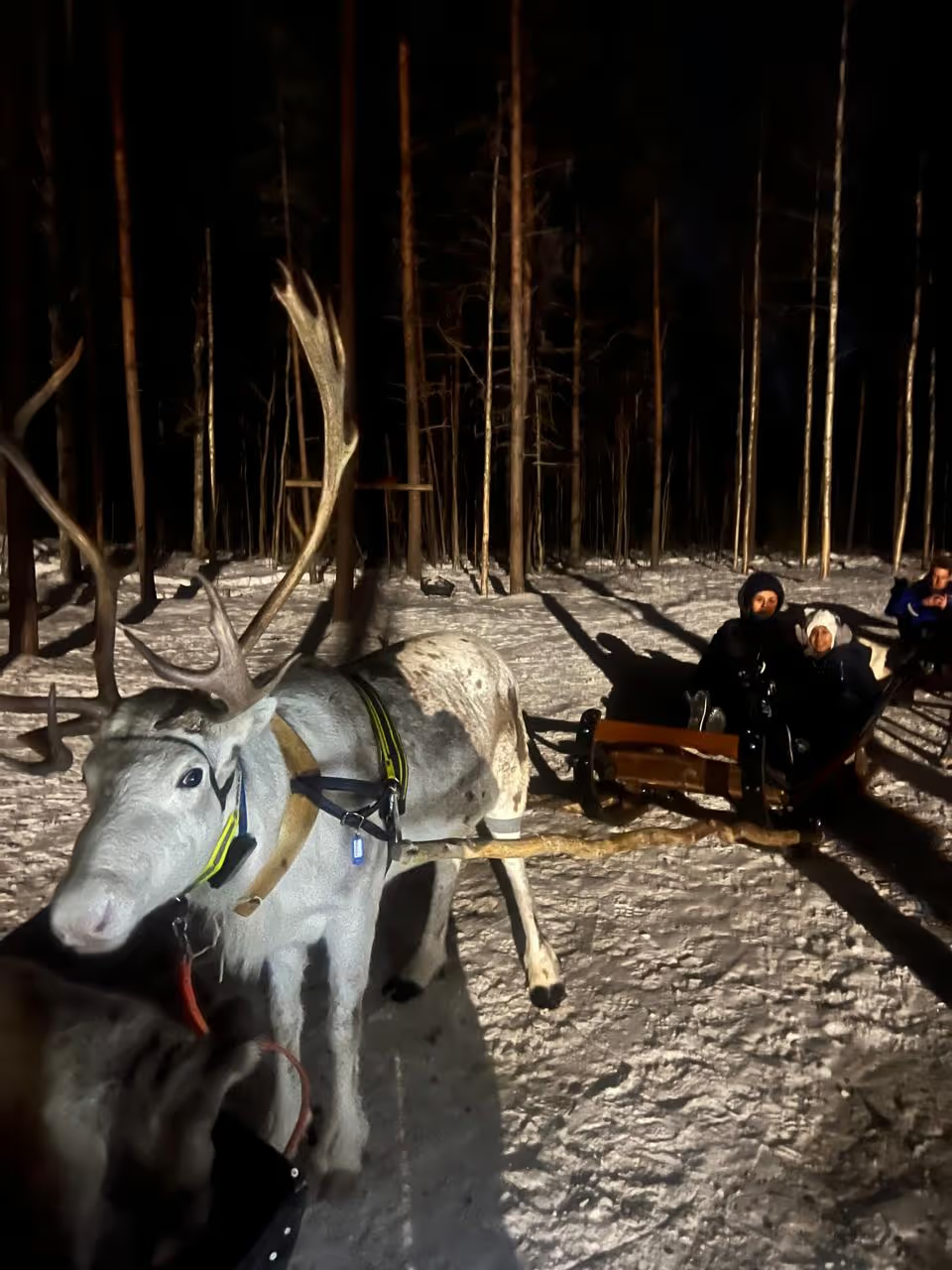
Thank you so much for organizing such a wonderful fun trip. Spent some fun time with my daughter. You really have organized it very well for woman travelers alone, it’s great We both enjoyed all the experiences; the husky ride got the better of us and was a tad scary.
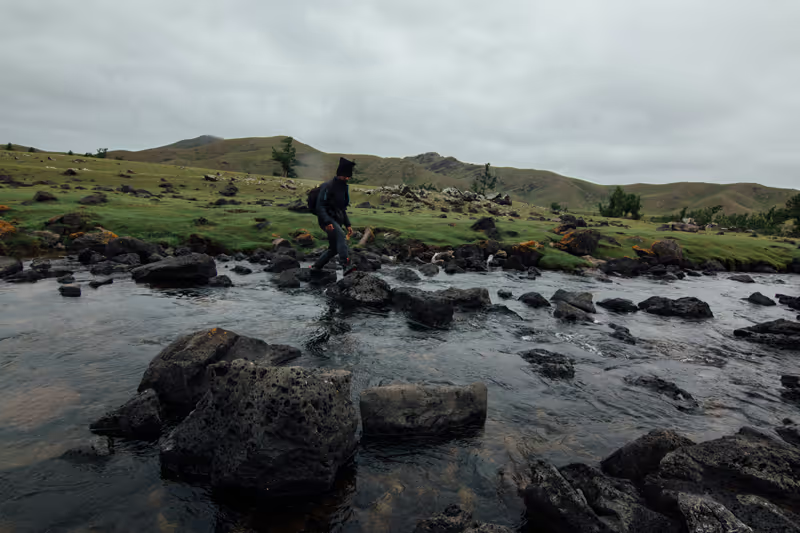
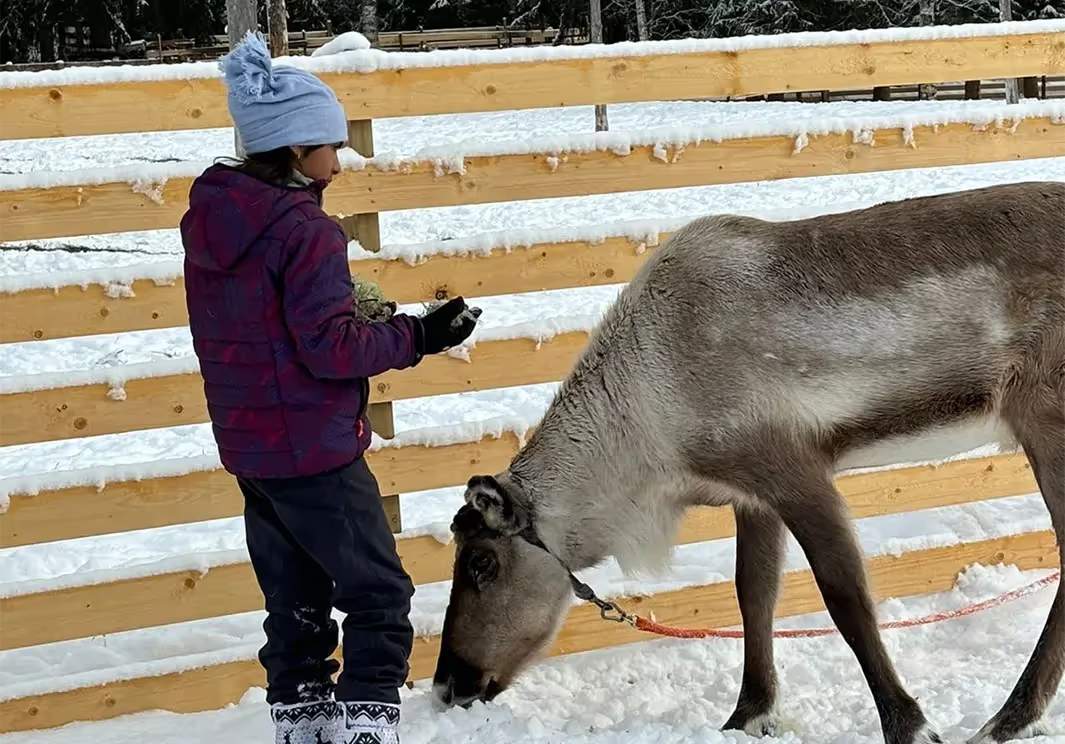
The first thing that crossed our minds was – Mongolia is huge. Distances are a lot and we were advised against going with an 8 yr old but I would say – Don’t listen to them! Yes, there were two long driving days but worth it. Was a very well organized one– some out of the box things – just when you think there could be nothing here (there is a lot of nothingness in the landscape) WHAM !! came the action … My wife and I loved the chitter chatter and excitement in our daughter’s voice throughout. I plan to go back for the reindeer experience as well… let’s hope soon. A big thank you to Apricous for the amazing memories.
We really wanted to say this has been a fantastic holiday! We are so impressed with your planning and attention to detail, and your patience with all my changes and questions. We are really so blown away this has really been a superb trip! We’ve had a blast! And all the arrangements have been spectacular!
FAQ's
What is the best time to visit Madagascar with children?
+
April to November. Minimum trip length is 10 days — Madagascar's diversity across rainforest, canyon, coast, and highlands means you need time to move through it with depth. Ideal starting age is 7 years. Starting price is €2,000 per adult.
What makes Madagascar uniquely suited to a parent-child trip?
+
Around 80% of Madagascar's plant and animal life exists nowhere else on Earth. Lemurs, baobabs, chameleons, and landscapes that feel genuinely unlike anything your child has encountered before. Discovery here isn't manufactured — it's built into the place. That shared sense of encountering something for the first time, together, is exactly what Apricous trips are designed around.
How physically active is the Madagascar itinerary?
+
Moderately active. The trip includes jungle hikes, river boat rides, national park walks, and optional activities like via ferrata in Isalo. Light hiking and river excursions are suitable for children aged 7 and above. More demanding activities can be adapted or skipped based on your child's comfort and fitness.
Are there health precautions to take before travelling to Madagascar?
+
Yes. Consult a doctor or travel health clinic 6 to 8 weeks before departure. Recommended vaccinations typically include typhoid and hepatitis A; malaria prophylaxis is advised. Bring insect repellent and a child-friendly travel first aid kit. Apricous provides destination-specific health guidance at the time of booking.